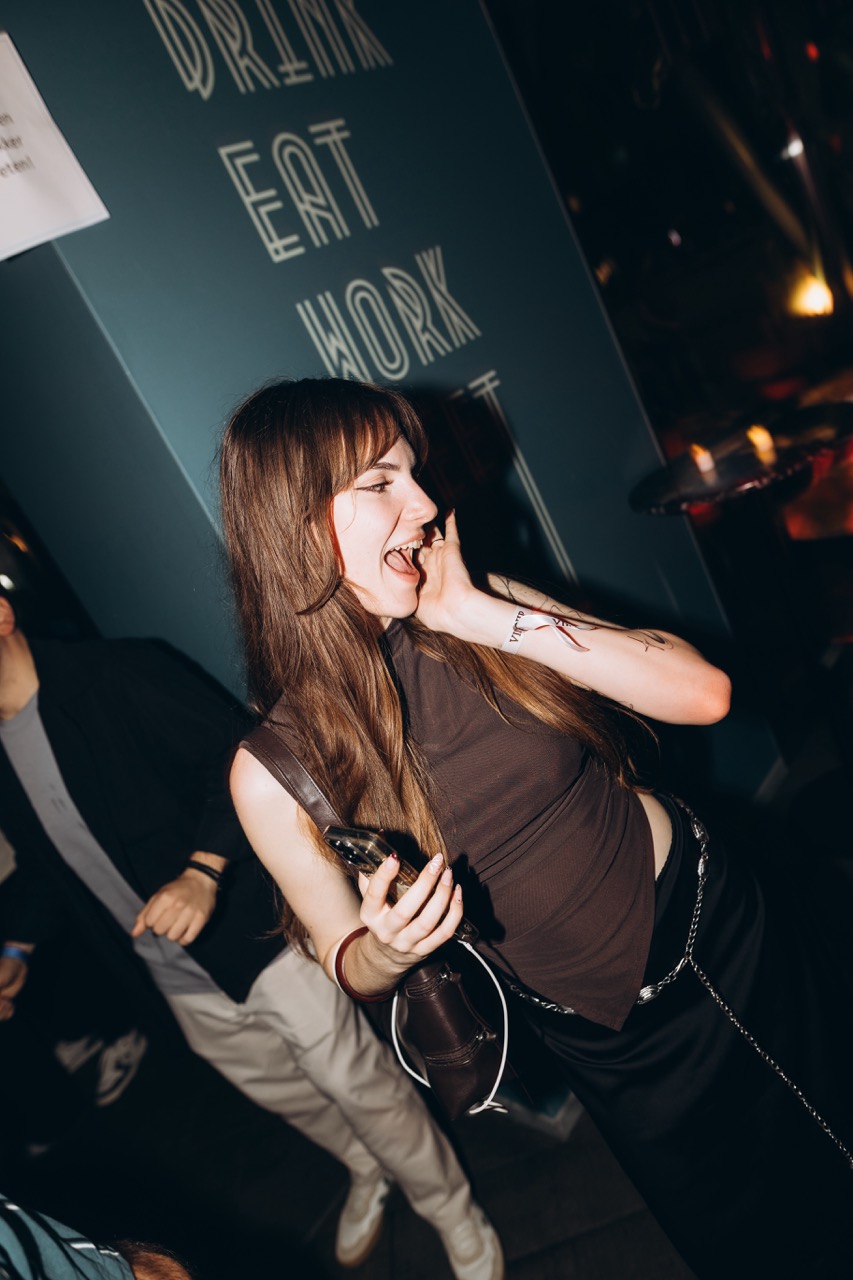

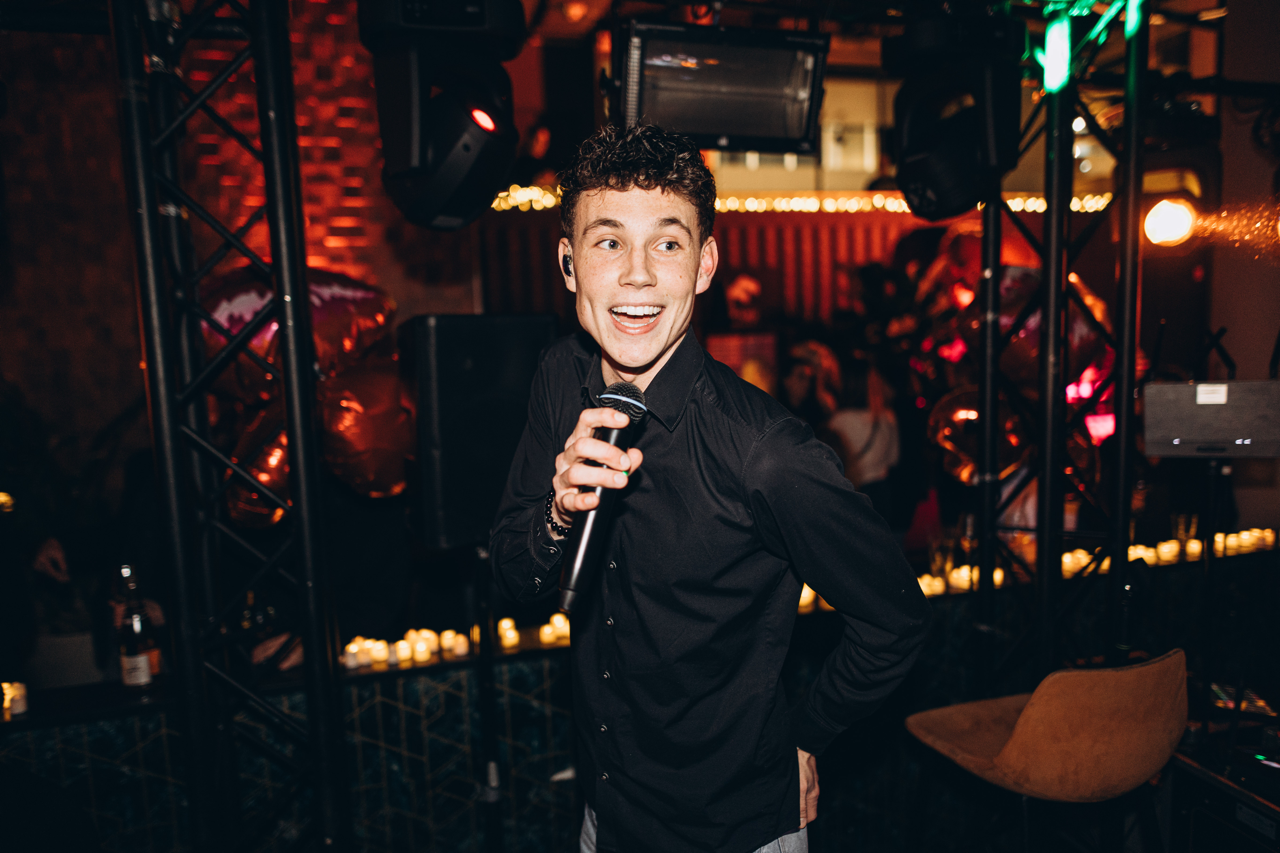
A SINGLZ event is a social club night specifically organized for adults who identify as single. The format follows a conventional nightlife structure—music, a DJ, drinks, and open social space—rather than a structured dating program. Unlike speed dating or matchmaking sessions, there are no assigned interactions, timed rotations, or formal pairings. Attendance itself establishes the shared context that participants are open to meeting new people. This approach prioritizes voluntary interaction, autonomy, and a natural social flow, allowing participants to engage at their own pace without predefined expectations or obligations.
This format is typically appropriate for adults who are comfortable in social environments with music, movement, and unstructured interaction. It may suit people who prefer meeting others informally rather than through guided dating formats.
It may be less appropriate for individuals who want one-to-one scheduled introductions, highly predictable interaction, or a quieter environment centered on conversation only. It may also be unsuitable for anyone attending under pressure or with expectations that every interaction should lead to a specific outcome.
Because the format is open and self-directed, participants need to be comfortable making their own decisions about when to approach others, when to disengage, and how actively to participate during the evening.
Participants arrive at the venue during the published entry window and complete admission through the ticketing process. First impressions are usually shaped by venue layout, crowd density, and the general pace of arrivals.
At the start of the evening, guests typically orient themselves within the venue, order drinks, observe the environment, and begin informal conversations. This phase is often less crowded and may feel easier for first-time attendees who prefer a slower start.
As attendance builds, the event functions like a regular club night. People move between talking, dancing, and circulating through the space. Interaction remains informal, with no required participation in any activity.
Toward the end of the event, some guests continue socializing while others leave gradually. Contact details may be exchanged where mutually welcomed, but there is no formal follow-up mechanism built into the event format itself.
The defining feature of the event is not a matching system but a shared participation condition: attendees are expected to be single. In practical terms, this changes the social context of a regular night out by reducing ambiguity about why people are present. The setting remains socially open rather than program-driven, but the common understanding of attendee status can make interactions feel more direct and easier to interpret. At the same time, the event does not remove normal social boundaries. Interest, comfort, and participation still vary across individuals, so interaction remains based on mutual willingness rather than assumption.
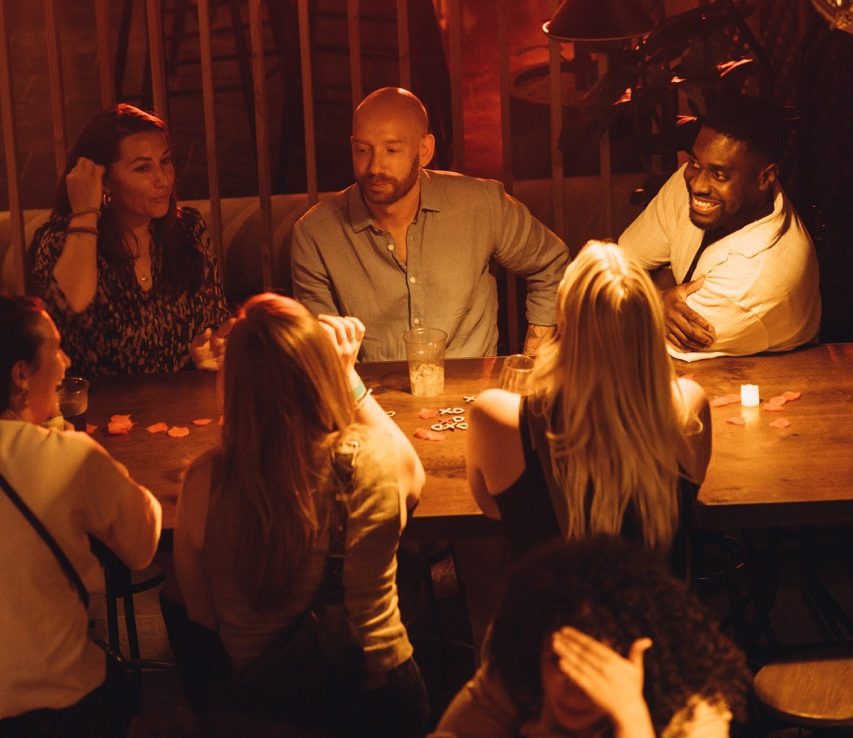
The central participation rule is that attendees must be single. This requirement defines the event concept, even though it cannot be verified with complete certainty in every case.
Interaction is expected to remain respectful. Guests are free to talk, dance, or exchange contact details only where interest is mutual and boundaries are observed.
Attendance does not create any duty to participate in conversation, share personal details, or remain in any interaction that feels unwelcome.
If a participant feels uncomfortable, concerns can be reported to the event team, venue staff, or security so the situation can be reviewed and handled within the venue’s operational procedures.
