Learn More

The SINGLZ experience: a real night out for single people.

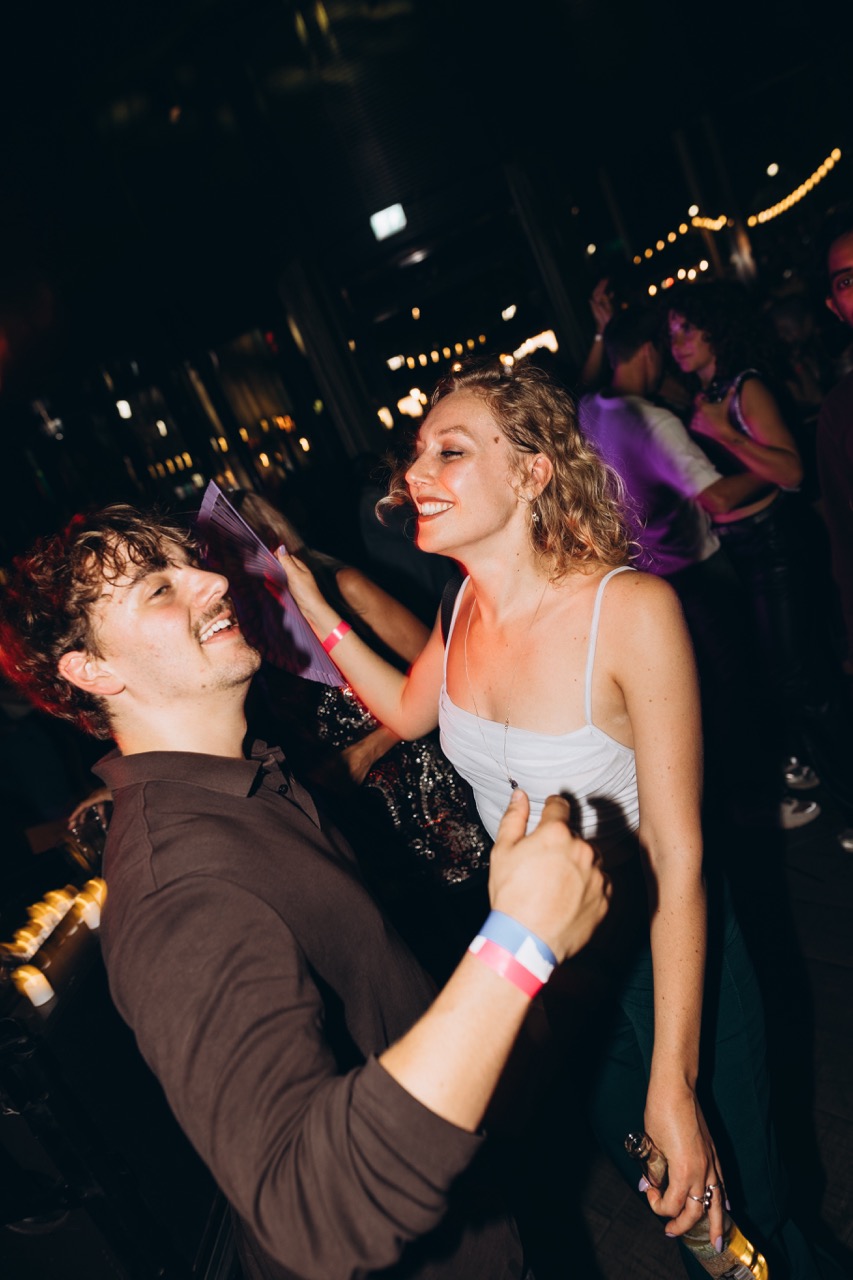
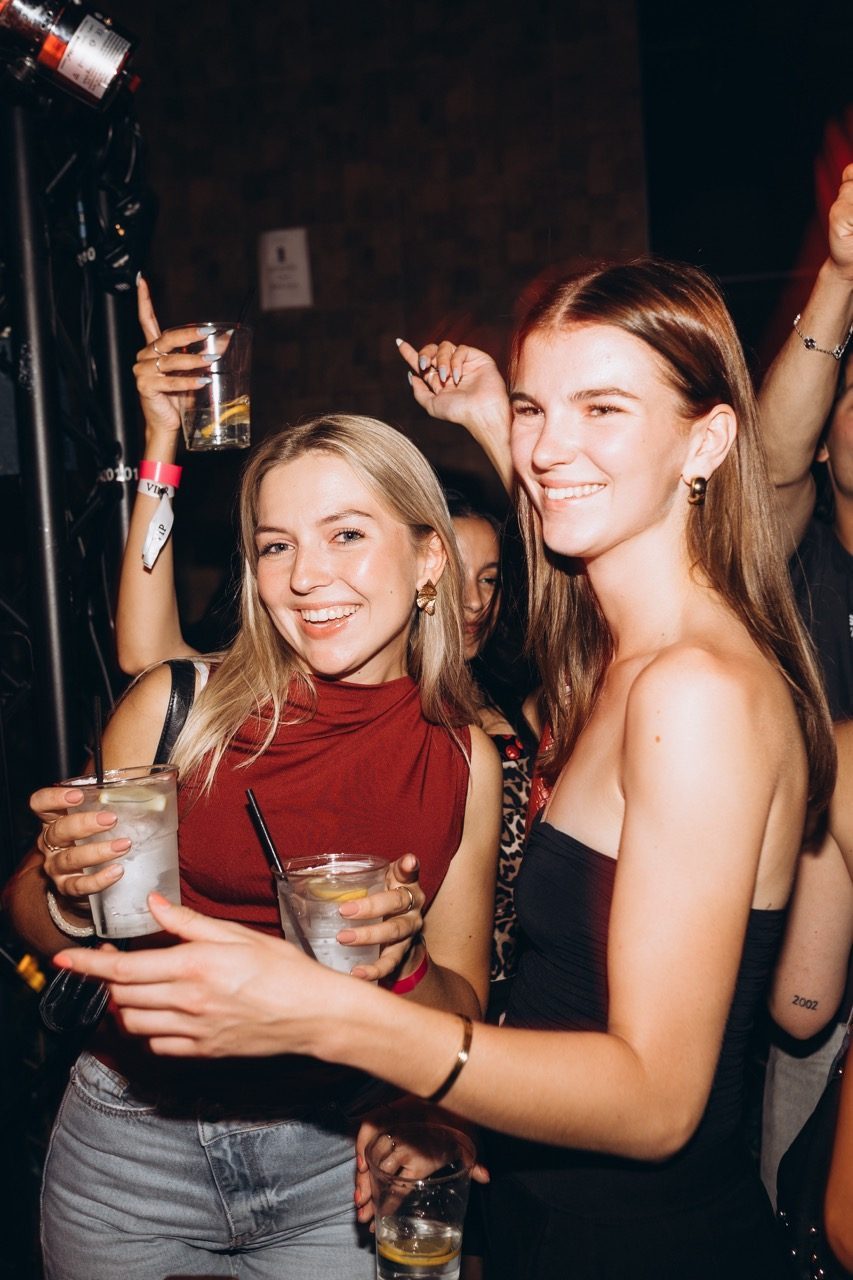
SINGLZ is a recurring club night exclusively for single adults. Held at established venues in major Dutch cities, each event combines a standard nightlife format, DJ, music, and a bar with one defining condition: every person in the room is single. There are no speed-dating rounds, no structured activities, and no matching system. The event is designed for adults who prefer a natural social setting over a facilitated one, and who want to meet people without the format being the focus of the evening.
Safety rules at SINGLZ events: what every attendee should know

SINGLZ events are open social nights designed for single adults across all ages and backgrounds. The format is intentionally relaxed there are no rounds, no assignments, and no structured interaction. What makes the environment function as intended is the shared understanding that every person present has agreed to the same conditions of participation. These conditions, and the conduct expected of all attendees, are outlined on this page. Reading them before attending ensures that the event remains a consistent and appropriate space for everyone present.
What safety actually means at a SINGLZ club night

At SINGLZ events, safety is understood as the collective responsibility of every person present to maintain an environment where attendees can socialise freely without feeling pressured, uncomfortable, or at risk. Unlike structured dating formats, a SINGLZ club night operates within the same social and legal norms as any public venue, with the added expectation that all interactions remain consensual, voluntary, and respectful. Safety at SINGLZ is not a separate programme or add-on it is the operational baseline from which the entire event is designed.

The one non-negotiable rule all attendees must follow

SINGLZ events operate on a single core eligibility condition: all attendees must be single at the time of attendance. This rule is stated as a condition of ticket purchase and participation. The integrity of the event depends on all attendees honouring this condition independently.

Why this rule exists

The event is designed as a space where single people can meet under shared and openly understood social conditions. The presence of non-single attendees undermines this premise for all other participants.

How it is communicated

The condition is stated during ticket purchase and across all promotional channels. By completing a purchase, attendees confirm their compliance with this requirement.

Scope and limitations

SINGLZ does not independently verify relationship status. Adherence relies on the honesty of each participant. No technical enforcement mechanism is in place.

How respectful behaviour is defined and enforced

All attendees are expected to behave in a manner that respects the personal boundaries and comfort of others at all times. This applies to verbal communication, physical conduct, and the way in which interactions are initiated or continued. Respectful behaviour is not governed by a formal rulebook but by the standard of conduct expected in any supervised public social environment.

A personal boundary is crossed when an attendee continues an interaction, verbal, physical, or otherwise after the other person has indicated, directly or indirectly, that they are not interested or are uncomfortable. The following conduct is considered a boundary violation in this context:

  • Persistent contact
    Repeatedly approaching or addressing someone after they have declined or disengaged.
  • Non-consensual physical contact
    Any physical interaction that has not been mutually invited or agreed upon.
  • Coercive behaviour
    Using pressure or social manipulation to obtain attention, personal details, or continued interaction.
  • Disregarding expressed discomfort
    Continuing any form of interaction when the other person has clearly indicated they wish to disengage.

The event team and venue security staff are present throughout the evening. Their role includes monitoring the general atmosphere and responding to any reports submitted by attendees. Monitoring is not intrusive and does not involve surveillance of individual interactions. It is intended to ensure that the overall environment remains appropriate and that reported issues are addressed without delay.

Any reported incident is reviewed by the event team or venue security, depending on the nature of the situation. The response is proportionate to the conduct involved and may include a verbal warning, removal from the venue, or escalation to relevant authorities if required. The process is handled discreetly and with consideration for all parties involved.

What attendees are never obligated to do

  • Engage with anyone
    Attendees are not required to speak to, dance with, or respond to any other person during the event.
  • Explain a refusal
    Declining an interaction requires no justification. A clear signal of disinterest is sufficient and must be respected.
  • Share personal details
    No attendee is obligated to provide their name, contact information, or any other personal details to another participant.
  • Remain in a situation that feels uncomfortable
    Any attendee may remove themselves from a conversation, group, or area of the venue at any point without explanation.
  • Resolve a conflict independently
    Attendees are not expected to manage or confront problematic behaviour on their own. Reporting to staff is always an available option.

Who to approach when something feels wrong

  • SINGLZ event team
    Present throughout the venue and identifiable by staff credentials. First point of contact for social concerns, boundary violations, or general discomfort.
  • Venue security
    Responsible for physical safety and conduct that presents an immediate risk. Escalation point when a situation requires removal or physical intervention.
  • Venue Staff
    Bar and venue personnel can direct attendees to the appropriate contact if the event team or security are not immediately visible.

Event team vs. venue security: when to involve each

Situation Contact
Unwanted repeated approaches or verbal discomfort Event Team
Suspected non-single attendee Event Team
Non-consensual physical contact Venue Security
Aggressive or threatening behaviour Venue Security
Unclear or ambiguous situation Event Team (will escalate if necessary)

How SINGLZ balances the room to support a safe atmosphere

SINGLZ monitors ticket sales across defined demographic categories to maintain a broadly balanced composition of attendees. This is not a matching mechanism it is an operational measure intended to reduce social imbalance that can contribute to pressure or discomfort within the event environment.

Age Categories

Tickets are tracked across three age groups: 18–30, 30–45, and 45+. All groups attend the same event. Monitoring ensures no single group becomes disproportionately dominant within the overall audience.

Gender Distribution

Gender is recorded at the point of ticket purchase. Sales are monitored per category to maintain a reasonable balance. If a significant imbalance is identified, ticket availability may be adjusted accordingly.

Scope and limitations

Balance monitoring is applied at the level of overall audience composition. It does not guarantee equal representation within every part of the venue or at every moment during the event.

What happens after an incident is reported

  • 1
    Report received
    An attendee reports a concern to the event team or venue security. The report can be made verbally at any point during the event.
  • 2
    Initial assessment
    The staff member receiving the report evaluates the nature and urgency of the situation to determine the appropriate response.
  • 3
    Response assigned
    Depending on the assessment, the matter is handled by the event team, escalated to venue security, or where necessary referred to external authorities.
  • 4
    Action taken
    A proportionate response is applied. This may range from a monitored warning to immediate removal from the venue.
  • 5
    Follow-up
    Where relevant, the reporting attendee is informed of the outcome. All reports are treated with discretion and handled without unnecessary exposure of either party.

FAQ

Buying earlier usually means paying the lowest available ticket tier. The event uses time-based pricing, so early purchases are cheaper while late-stage tickets cost more. Access to the venue and experience inside the event remain exactly the same regardless of when you buy. If price matters, purchasing sooner simply secures the lower rate and guarantees entry before tickets sell out.

Ticket purchases are monitored across age categories to keep the audience reasonably balanced. This doesn’t mean strict quotas, but organizers track how many attendees fall into different ranges and adjust availability if needed. All age groups attend the same event space, so you’ll still see a mix. The goal is to avoid one demographic dominating the room.

The event takes place in a standard nightlife venue with music and a bar, so the atmosphere is similar to a regular club night. Many guests talk at the bar or in quieter areas rather than staying near the dance floor. If you prefer conversation over dancing, arriving earlier in the evening often feels calmer before the venue becomes busier later on.

During checkout you’ll typically enter basic details such as your name, email, age, gender, and city of residence. This information is used mainly to manage ticket categories and monitor the overall audience mix. It helps organizers keep a balanced event and communicate essential updates. The details are collected through the ticketing provider during the standard purchase process.

There isn’t a structured introduction or group activity. Most guests begin naturally ordering a drink, joining conversations at the bar, or talking with people nearby. Because everyone attending is single, starting a casual conversation tends to feel more natural than in a mixed club setting. Moving around the venue and arriving earlier often makes those first interactions easier.

If a situation crosses your personal boundaries, speak to the event staff or venue security immediately. They are present throughout the evening and handle concerns on-site. Typical steps may include:

  • listening to the report privately
  • addressing the situation with the other guest
  • involving venue security if necessary
    Guests are encouraged to prioritize their comfort and safety rather than trying to manage the situation alone.

Guests come and go throughout the evening. There’s no expectation to stay until closing time. Some people arrive early, socialize for a few hours, and leave before midnight, while others stay much later. Because the event runs like a regular club night, you’re free to decide how long you stay. Leaving early doesn’t affect anything about your participation.

The event itself doesn’t provide a messaging platform, matching system, or post-event contact list. Any follow-up happens directly between individuals who choose to exchange details during the evening. This keeps the format simple and private. If you want to stay in touch with someone, the best approach is to exchange phone numbers or social media while you’re both there.

Refund handling depends on whether ticket protection was added during checkout. With protection, refund requests are processed by the ticketing provider under their policy. Without it, refunds are generally not available because tickets are tied to the event date. If your plans might change, selecting the protection option during purchase gives you a clearer path for cancellations.

Many people treat the event simply as a night out with a different social context. You’ll still experience a normal club environment—music, drinks, and a social crowd—without structured activities. Some guests come mainly to meet new people casually or enjoy the atmosphere. Connections sometimes happen naturally, but the evening itself is designed to function as a regular social night regardless of outcomes.
At Singlz, it’s not just about dating, t’s about discovering, enjoying, and connecting.
SIGN UP
Subscription Form
Contact