
SINGLZ EVENTS FOR FIRST TIMERS

SINGLZ events for first timers: what to expect at your first SINGLZ night

It outlines the event format, who it is generally suitable for, how the evening typically progresses, how attendance balance is managed, and what conduct and safety standards apply. The purpose is to give first-time attendees a clear understanding of the setting before deciding whether the format matches their preferences, comfort level, and expectations.
ABOUT

What is a SINGLZ event and how Is it different from dating events?

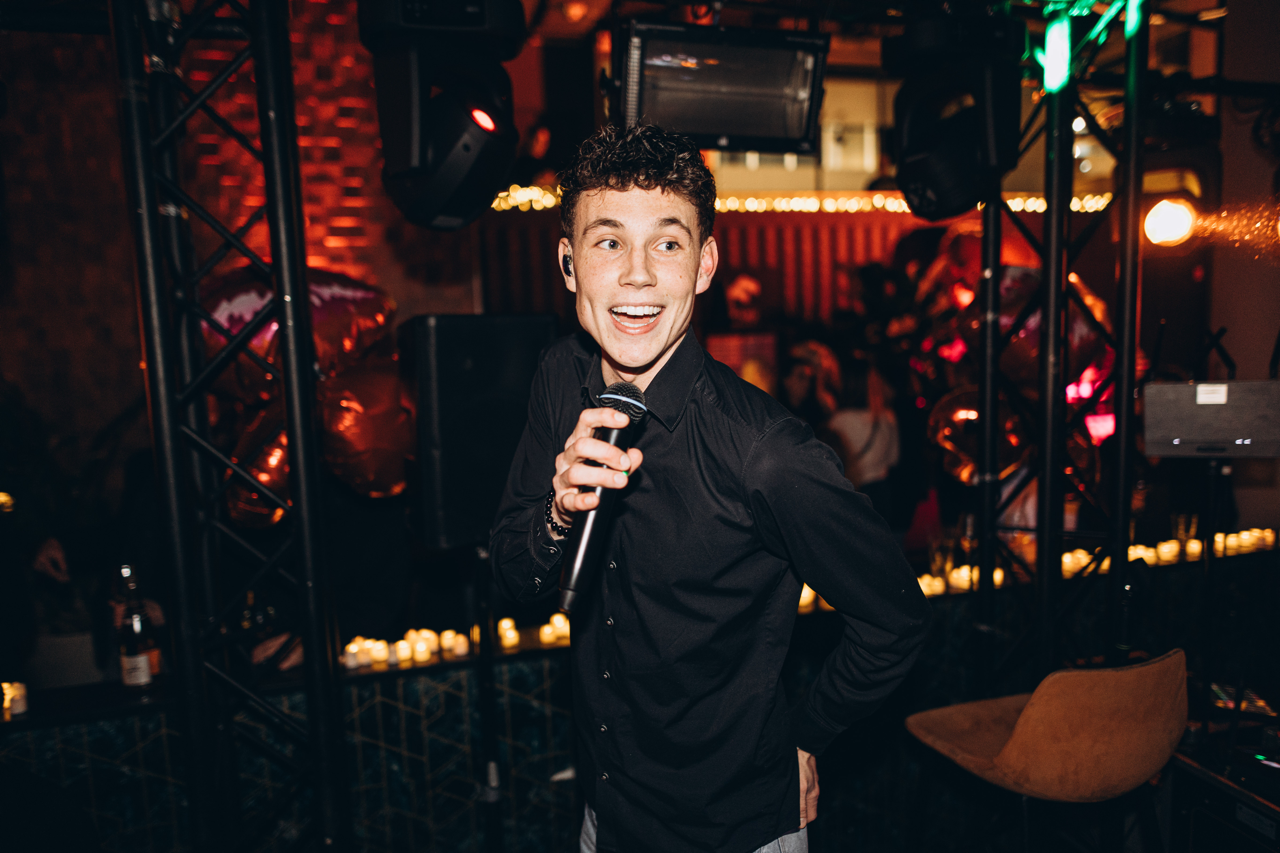
A SINGLZ event is a social club night specifically organized for adults who identify as single. The format follows a conventional nightlife structure—music, a DJ, drinks, and open social space—rather than a structured dating program. Unlike speed dating or matchmaking sessions, there are no assigned interactions, timed rotations, or formal pairings. Attendance itself establishes the shared context that participants are open to meeting new people. This approach prioritizes voluntary interaction, autonomy, and a natural social flow, allowing participants to engage at their own pace without predefined expectations or obligations.

Who are these events best suited for

Generally suitable for

This format is typically appropriate for adults who are comfortable in social environments with music, movement, and unstructured interaction. It may suit people who prefer meeting others informally rather than through guided dating formats.

Less suitable for

It may be less appropriate for individuals who want one-to-one scheduled introductions, highly predictable interaction, or a quieter environment centered on conversation only. It may also be unsuitable for anyone attending under pressure or with expectations that every interaction should lead to a specific outcome.

Relevant consideration

Because the format is open and self-directed, participants need to be comfortable making their own decisions about when to approach others, when to disengage, and how actively to participate during the evening.

How the night unfolds from arrival to closing time

Arrival

Arrival and check-in

Participants arrive at the venue during the published entry window and complete admission through the ticketing process. First impressions are usually shaped by venue layout, crowd density, and the general pace of arrivals.

Early phase

Early social period

At the start of the evening, guests typically orient themselves within the venue, order drinks, observe the environment, and begin informal conversations. This phase is often less crowded and may feel easier for first-time attendees who prefer a slower start.

Main hours

Main event period

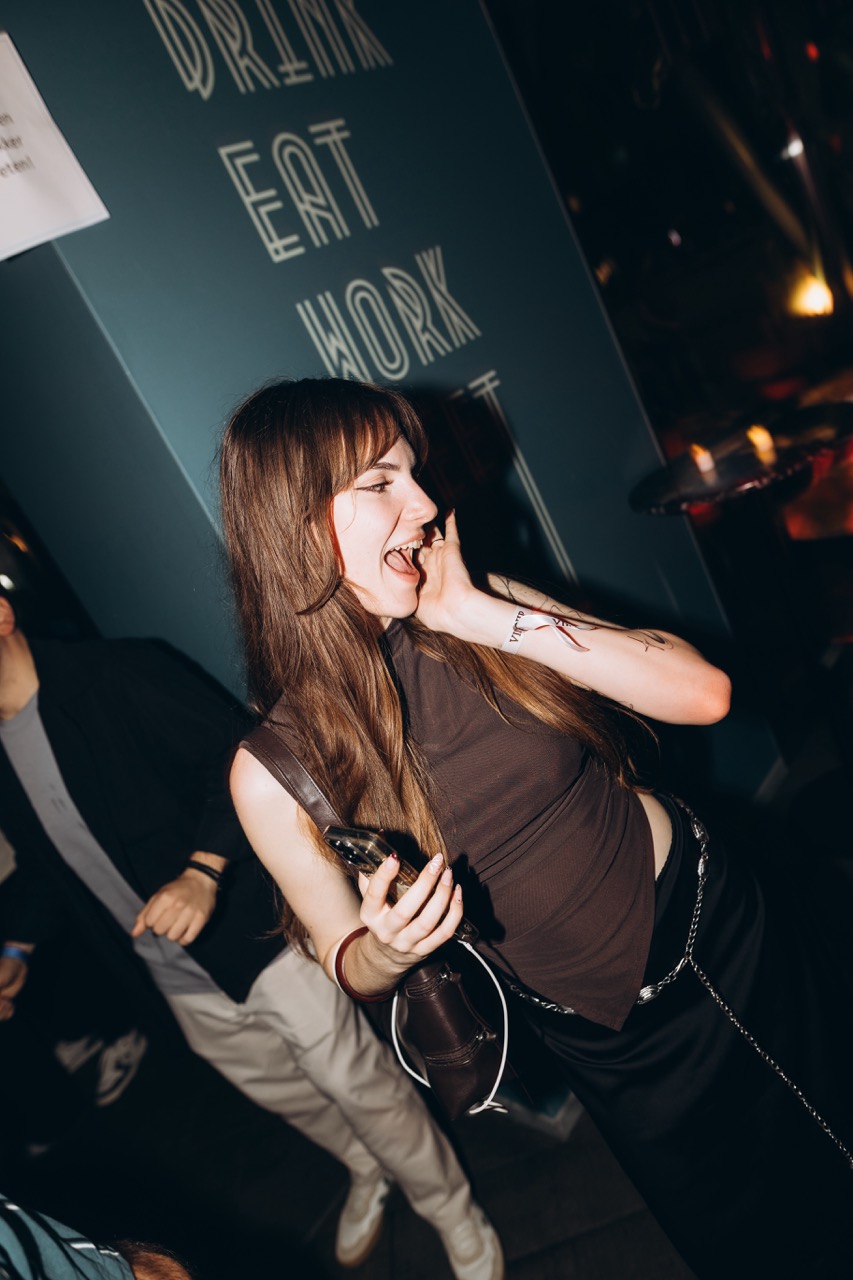
As attendance builds, the event functions like a regular club night. People move between talking, dancing, and circulating through the space. Interaction remains informal, with no required participation in any activity.

Closing

Late evening and departure

Toward the end of the event, some guests continue socializing while others leave gradually. Contact details may be exchanged where mutually welcomed, but there is no formal follow-up mechanism built into the event format itself.

Entry, Check-In, and First Social Moments

1
Ticket validation
Entry is managed through the event ticket purchased in advance via the website and integrated ticketing system.
2
Venue entry
After admission, attendees enter a normal nightlife environment rather than a guided hosting area with assigned activities.
3
Orientation
First-time guests typically use the initial period to assess the setting, identify quieter or busier areas, and settle into the atmosphere before initiating conversation.
4
Initial interaction
Early conversations generally arise informally through proximity, shared observation, or repeated contact in social areas such as the bar or dance floor perimeter.

Why “everyone is single” creates a unique social environment

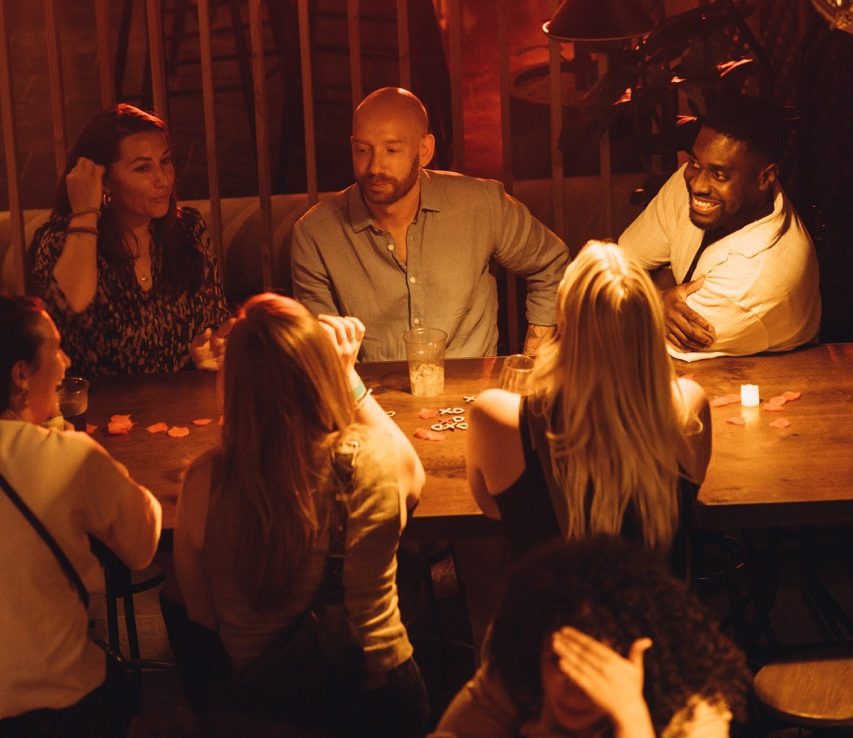
The defining feature of the event is not a matching system but a shared participation condition: attendees are expected to be single. In practical terms, this changes the social context of a regular night out by reducing ambiguity about why people are present. The setting remains socially open rather than program-driven, but the common understanding of attendee status can make interactions feel more direct and easier to interpret. At the same time, the event does not remove normal social boundaries. Interest, comfort, and participation still vary across individuals, so interaction remains based on mutual willingness rather than assumption.
What rules, safety measures, and social norms apply

The central participation rule is that attendees must be single. This requirement defines the event concept, even though it cannot be verified with complete certainty in every case.

Interaction is expected to remain respectful. Guests are free to talk, dance, or exchange contact details only where interest is mutual and boundaries are observed.

Attendance does not create any duty to participate in conversation, share personal details, or remain in any interaction that feels unwelcome.

If a participant feels uncomfortable, concerns can be reported to the event team, venue staff, or security so the situation can be reviewed and handled within the venue’s operational procedures.

Respect, boundaries, and getting help if needed

1
Recognize discomfort
If an interaction becomes unwelcome, the participant may disengage without providing further justification.
2
Use available support
Concerns can be raised with the event team, venue personnel, or security staff present on-site.
3
Apply venue procedures
Reported situations are assessed within the practical safety framework of the event and venue.
4
Maintain participant autonomy
The event structure is designed so that guests remain free to manage their own level of interaction throughout the evening.

FAQ

Usually not. The event format is closer to a standard club night than a structured dating session. There are no timed rounds, assigned conversations, or formal pairings. People move through the evening freely, talk when they want to, and step back when they prefer space. That makes it more suitable for someone who wants a social setting with flexibility rather than a guided dating format.

The audience is monitored across broad age categories, which helps avoid a crowd being concentrated in only one age range. That said, all age groups attend in the same venue, so it is not an age-segregated event. The main question is whether you are comfortable in a mixed social nightlife setting. If you want a strictly age-specific format, this may not match that preference.

Preparation is usually simple. You mainly need to complete ticket purchase, review the event details, and arrive with realistic expectations about the format. Helpful practical checks include: confirming entry time and venue location bringing whatever identification the venue may require understanding that interaction is informal, not arranged A social strategy is optional, but many first-time attendees find it useful to arrive a bit earlier.

The main difference is the participation context, not the entertainment format. It still functions as a regular night out with music, drinks, and open social space. What changes is the shared expectation that attendees are there as single adults. That can reduce some uncertainty about why people are present, but it does not remove normal social dynamics, personal boundaries, or individual differences in how open people are.

No. Attendance does not create any obligation to keep socializing if the setting does not feel right to you. You can step back, move to another part of the venue, take time to observe, or leave earlier if you prefer. Because the format is unstructured, participation is self-managed. If discomfort involves another person’s behavior rather than your own adjustment to the setting, staff or security can be approached.

The first step is usually personal disengagement: ending the conversation, moving away, or making it clear you do not want further contact. If that is not respected, the situation should be treated as a boundary issue rather than a social misunderstanding. In that case, concerns can be raised with: the event team venue staff security That allows the matter to be reviewed within the venue’s normal safety process.

Yes. The format does not require drinking, dancing, or a particular social style. Some people engage through conversation near the bar or in quieter parts of the venue, while others participate more through movement and group energy. Because there is no programmed interaction, people can choose their own level of involvement. The better question is whether you are comfortable in a nightlife environment, even if you participate more selectively.

Not necessarily. The event does not operate as a matching system, so there is no fixed benchmark for what must happen during one evening. Some people mainly use a first visit to understand the setting, pace, and crowd. Others are more socially active right away. A limited number of conversations, or even mostly observing, can still be a reasonable use of the event if it helps you judge whether the format suits you.

Follow-up is generally handled by the participants themselves. The event is designed as an in-person social environment, not a managed post-event communication service. That means contact details are exchanged only if both people want that, and any later contact happens privately. There is no built-in matching report, no assigned post-event introduction process, and no requirement to continue contact after the night ends.

A useful review is practical rather than emotional. Ask yourself whether the environment matched your comfort level, whether the unstructured format suited your communication style, and whether the crowd mix felt broadly appropriate to you. It also helps to separate one-off factors—such as your mood, arrival time, or venue energy—from the format itself. That gives you a better basis for deciding whether the event type fits you.
At Singlz, it’s not just about dating, t’s about discovering, enjoying, and connecting.
SIGN UP
Subscription Form
Contact