


In a standard club or bar setting, the social composition of the room is unknown. Attendees may be coupled, unavailable, or uninterested in meeting new people. A singles event removes that ambiguity. Every person present has agreed to a single attendance requirement that they are not in a relationship. This shared context changes the social dynamic without changing the format of the evening itself. The music, venue, and atmosphere remain those of a club night. What shifts is the unspoken social permission to approach, talk, and connect without uncertainty about whether doing so is appropriate.

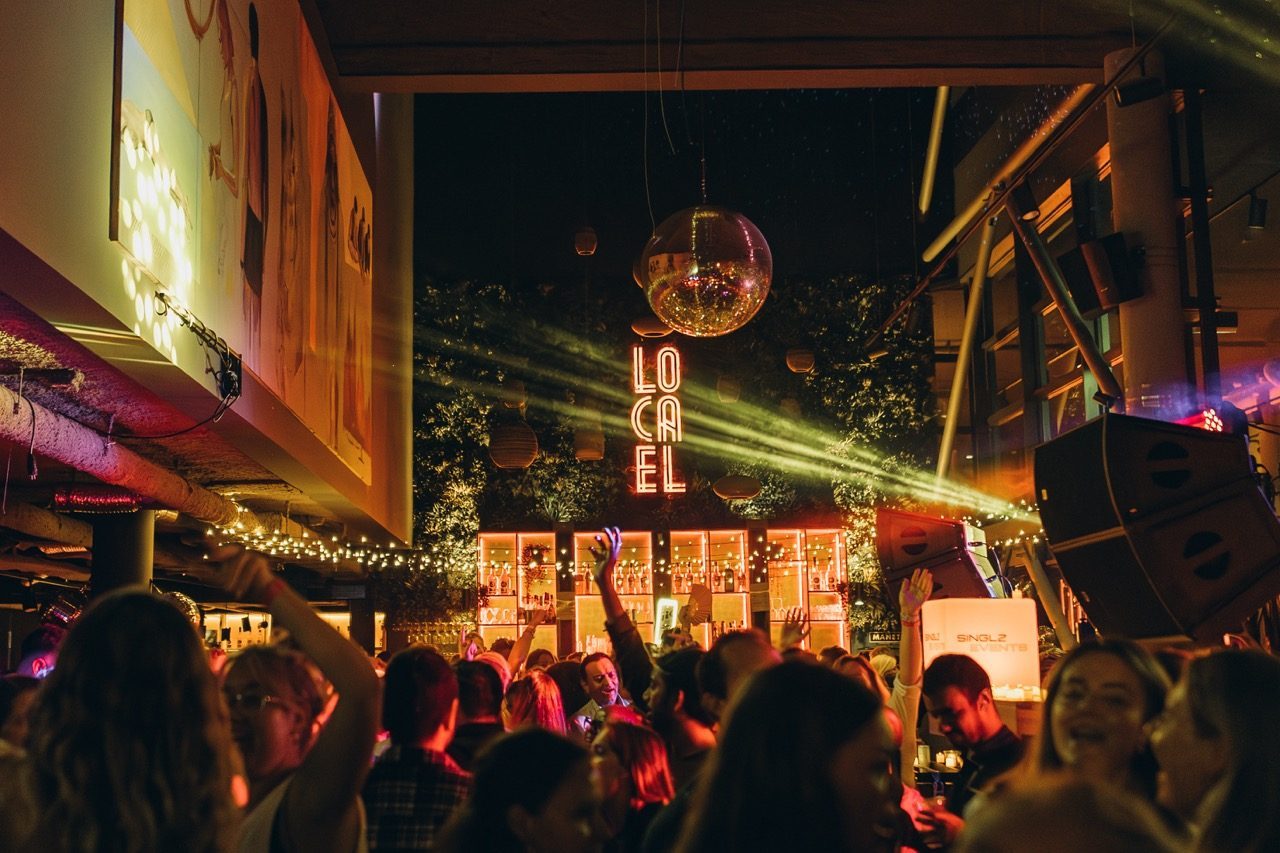
The venue opens and attendees begin arriving. The early hours tend to be quieter, with a more conversational atmosphere before the main crowd builds.
The event reaches its social peak. Music, dancing, and open mingling across the venue. No structured activity takes place the evening runs like a standard club night throughout.
The event concludes at around 1:00 AM. There is no formal closing segment or group activity. Attendees leave as they would any club event.
There are no speed-dating rounds, no assigned seating, and no scheduled interactions at any point during the evening. Attendance does not come with any social obligation. Guests may spend the evening dancing, talking to a small number of people, or simply enjoying the atmosphere without actively approaching others.
Unlike speed-dating formats, nothing about this event is scheduled or facilitated. There are no timed rounds, no assigned partners, no icebreaker games, and no group activities. Interaction is entirely self-directed. Attendees move through the evening as they would at any club night with the distinction that the room is composed entirely of single people who are, by their presence, open to social connection. Whether and how that plays out is left to individual discretion.
Most people arrive solo, so it's the norm, not the exception. The venue is set up like a regular club night, which means there's music, movement, and a natural flow of people. You're not placed in a circle or asked to introduce yourself. The shared context everyone being single actually makes starting a conversation easier than a typical night out.
There's no publicly stated hard cut-off, but as with most club events, entry policies may tighten later in the evening depending on capacity. Arriving earlier in the evening gives you more time and a better experience overall both for the social atmosphere and for avoiding potential door issues.
There's no structured element to fall back on no icebreaker rounds, no facilitated introductions. The format is a free-flowing club night. If the organic approach isn't working for you in a given moment, the bar, the dancefloor, and the general movement of the evening are your best tools. Some nights take time to warm up.
You don't and neither does the organiser with complete certainty. Being single is a declared condition, not a verified one. That said, it's the core rule of the event and clearly communicated before purchase. The social contract here relies on honesty, the same way it does on any dating app or social setting.
There's no official post-event matching or contact-finding service. If you didn't exchange details during the event, there's no formal channel to reconnect through the organiser. It's worth treating the evening as a live opportunity if a conversation is going well, that's the moment to suggest staying in touch.
Yes, and it's worth setting expectations accordingly before the next one. A singles night creates conditions for connection it doesn't manufacture chemistry. Attendance across multiple events tends to improve familiarity and confidence. Whether one night translates into something meaningful depends on far more than the format.
