
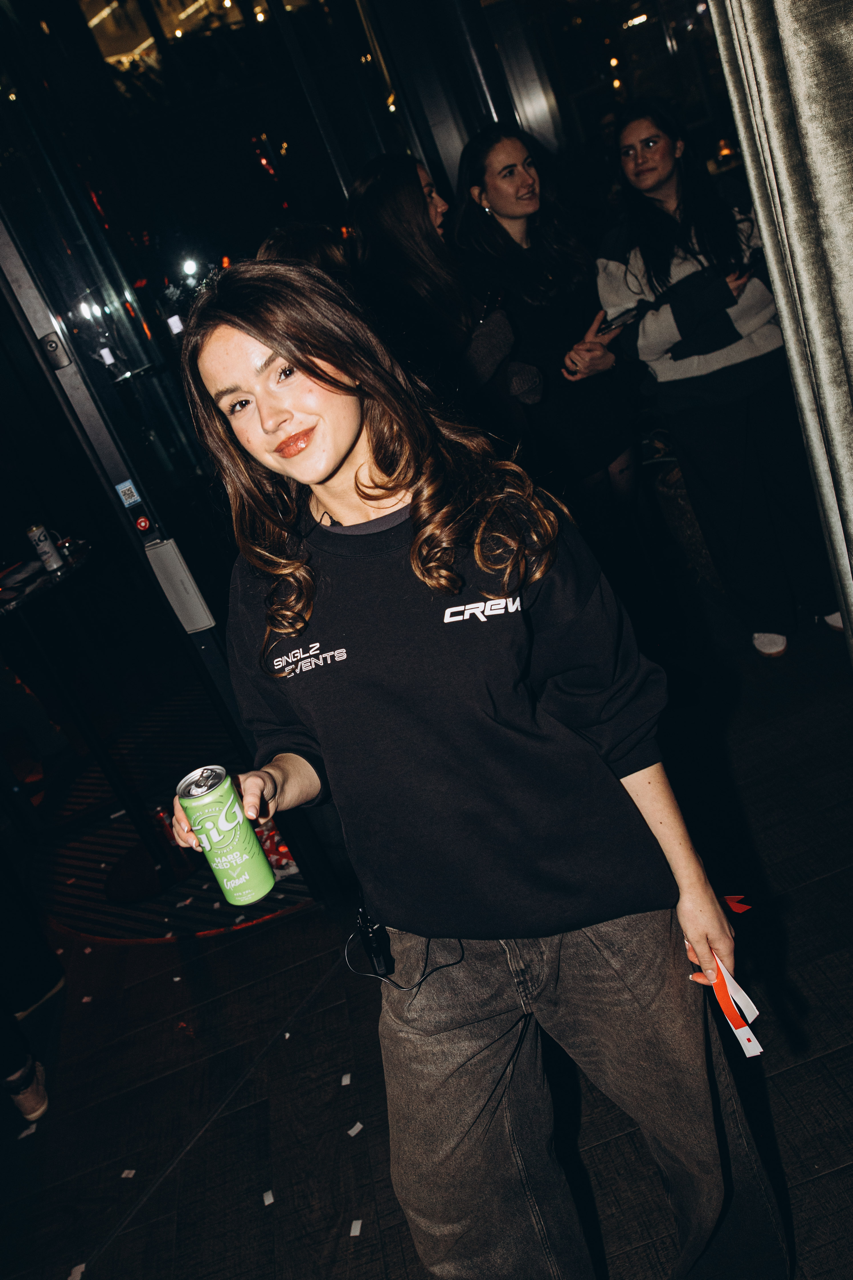
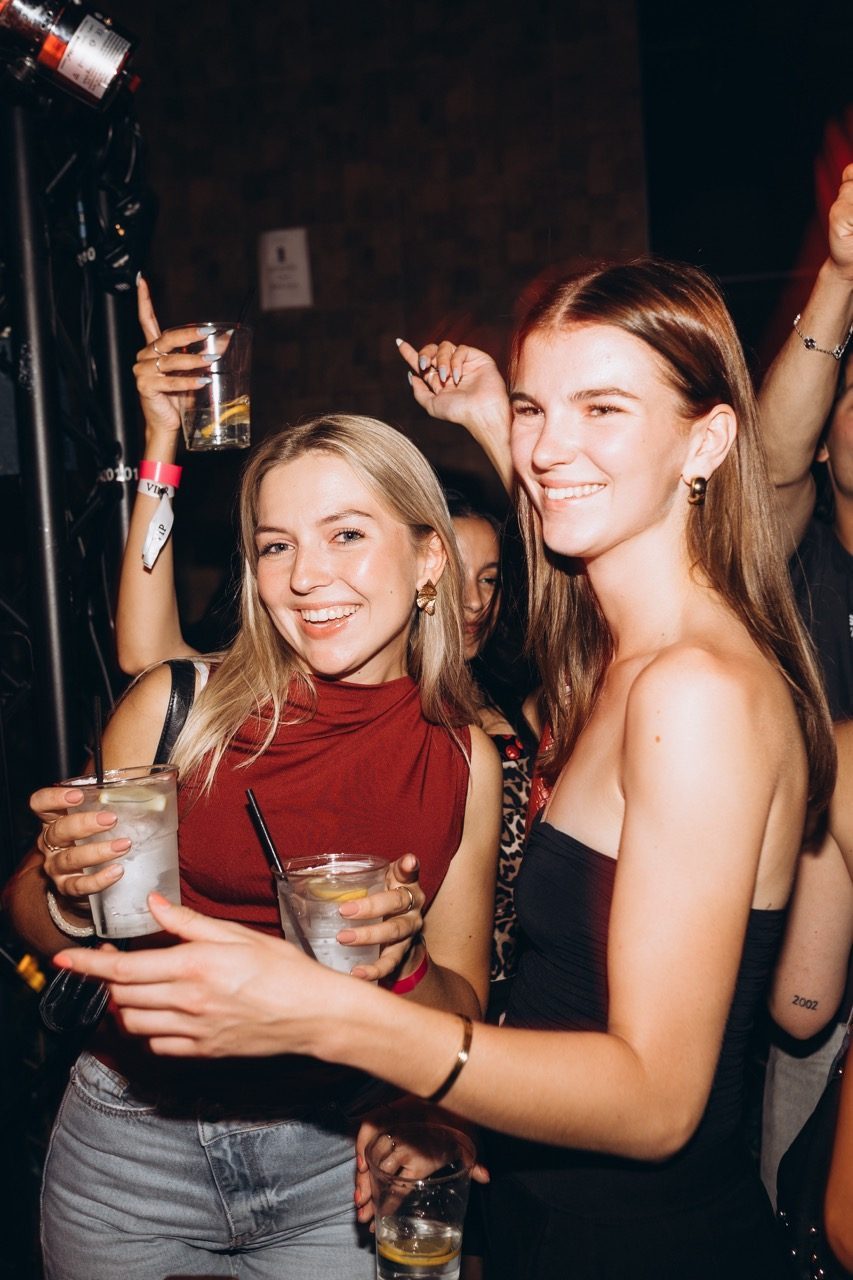
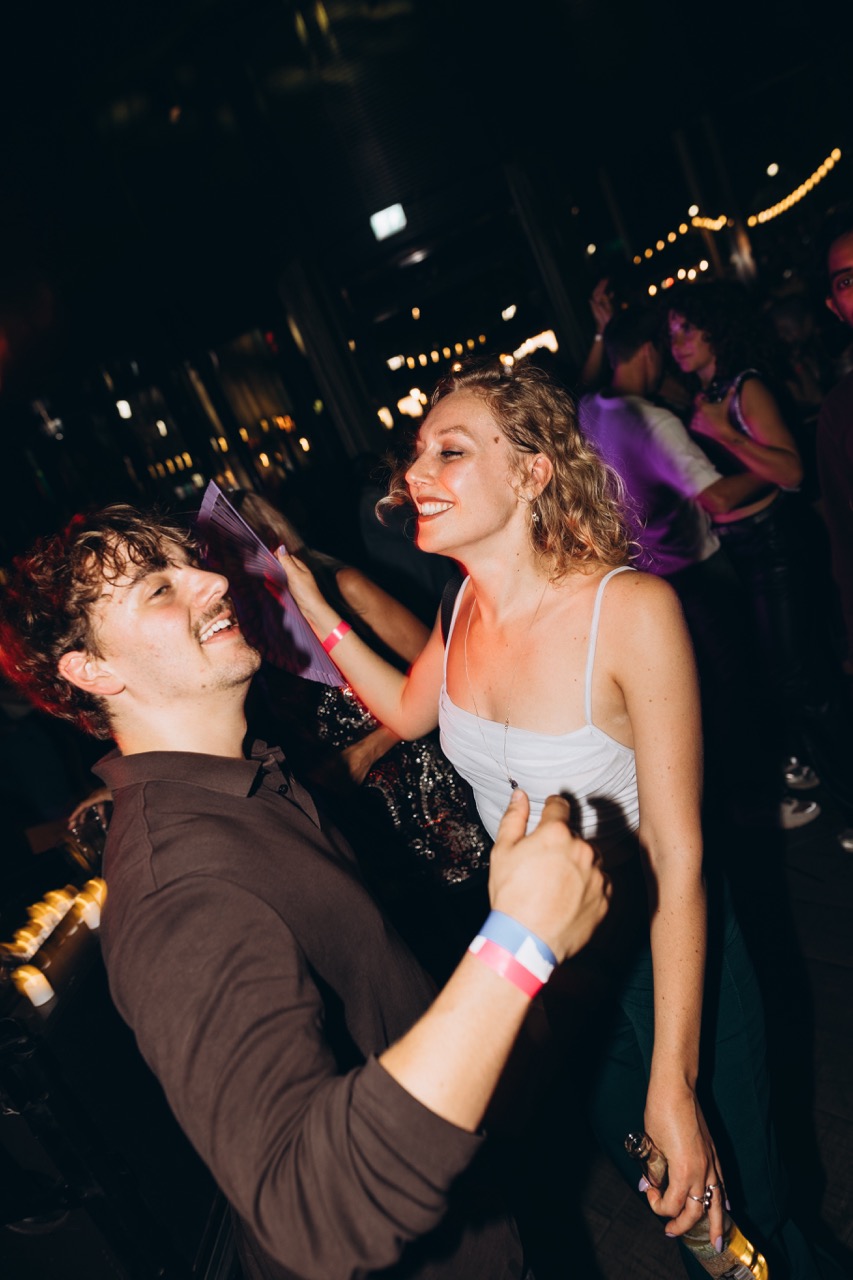
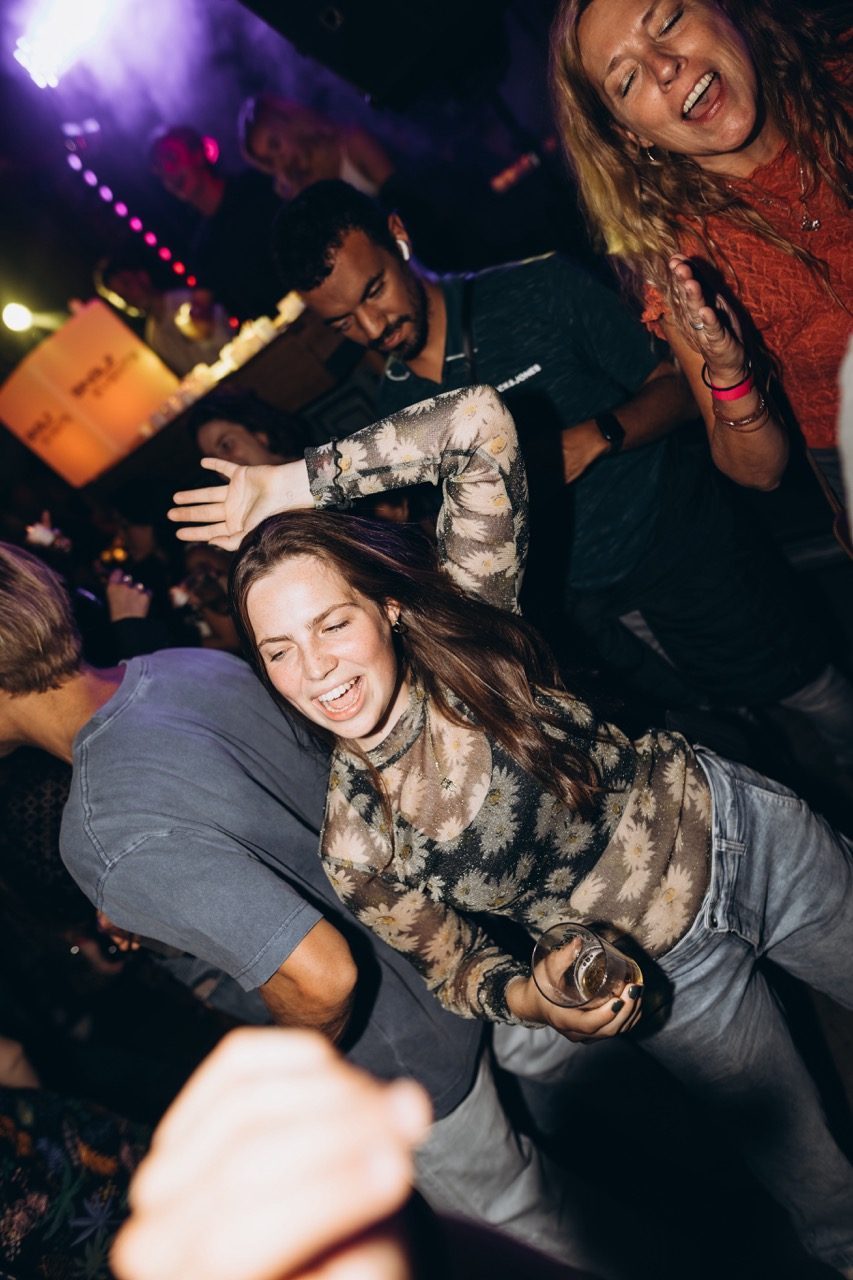
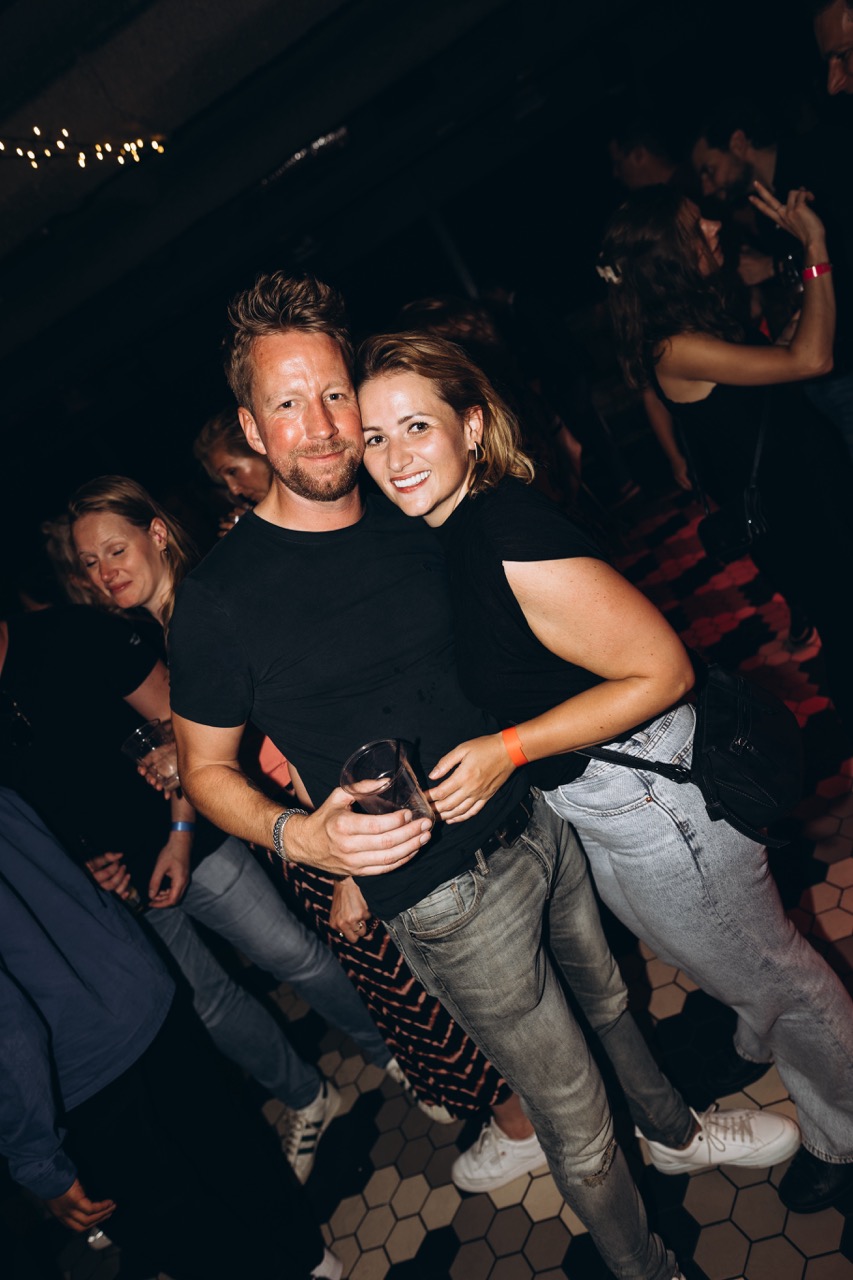
Not at all. There are no rounds, no timers, no assigned partners, and no pressure to move on after two minutes. It's a club night where everyone happens to be single. You dance, grab a drink, and talk to whoever you feel like talking to or no one at all. The singles element is the context, not the format.
Not necessarily. Like any social event, outcomes vary and depend on chemistry, timing, and circumstance. The event creates the conditions for connection, but doesn't guarantee it. Attending more than once tends to help familiarity with the format reduces first-event nerves, which is often what holds people back from making the most of the evening.
Report it directly to the event team or venue security both are available throughout the night. Respectful behaviour is the core social rule of the event, and reports are reviewed and handled. You don't need to manage the situation alone; escalating it is the right move.
Exact attendance figures aren't published in advance. Tickets sell in tiers early bird, regular, and late so how quickly those tiers sell out can give you a rough sense of demand. Following their Instagram or WhatsApp groups tends to surface the most current event updates.
Singlz doesn't facilitate post-event contact or operate a matching system. Any follow-up happens directly between attendees through details they chose to exchange on the night. There's no platform or intermediary to go back to what you arranged in person is the connection point.
The events are social and music-driven rather than language-dependent. Most interactions happen organically in a club setting, and Dutch cities particularly Amsterdam tend to have a high level of English fluency among attendees. Language is unlikely to be a barrier in practice.
You don't and the organizers acknowledge this openly. It can't be verified. What they've built is a clear social contract: the event is marketed exclusively as a singles night, and that expectation shapes who chooses to attend. The honesty-based model isn't perfect, but it's consistent with how most social trust at public events works.
