Not all social environments are equally suited to meeting new people. Settings that work tend to share a few structural characteristics: a degree of openness among attendees, a context that invites conversation, and a format that does not lock people into fixed groups or seating from the start.
Some settings are socially active but structurally poor for meeting people with any lasting intent. The issue is usually a mismatch between the purpose of the environment and the conditions needed for open interaction.
The structure of a singles event determines its social dynamics more than its programming does. When audience composition and shared intent are clearly defined before the evening begins, several barriers that typically make meeting people difficult are removed by default uncertainty about availability, ambiguity of intent, and unequal social footing among them.
When all attendees are present for the same reason, the implicit legitimacy of initiating conversation is established without explanation. This removes the most common barrier to offline interaction: not knowing whether an approach is welcome or appropriate in a given setting.
The absence of fixed rounds or assigned interactions preserves the social naturalness of the evening. People move, talk, and disengage at their own pace, which reduces performance pressure and allows interaction to develop without an artificial framework imposed on it.
Balancing attendance across age groups and genders is a logistical consideration with direct social impact. An imbalanced room shifts the group dynamics of an event significantly. Monitoring ticket sales by demographic category is a standard operational practice in professionally run Singlz events to maintain a broadly equitable social environment.
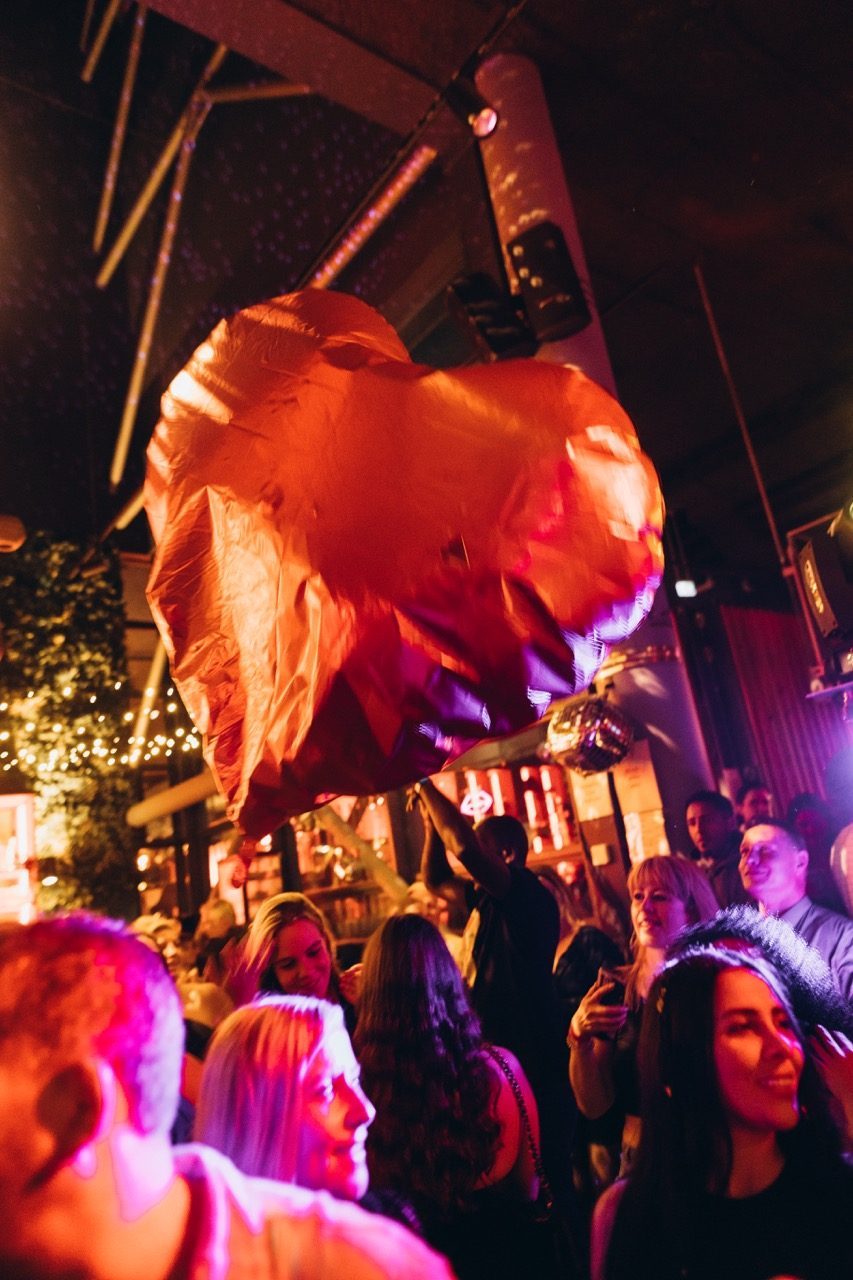
The physical environment influences how easily conversation starts and how long it is sustained. A well-chosen venue supports both movement and conversation loud enough to feel social, quiet enough in areas to allow exchange without strain. These conditions are considered during event planning rather than left to chance.
Event format whether structured, semi-structured, or open is often treated as the primary variable in how well a singles event functions socially. In practice, atmosphere and crowd composition tend to have a stronger influence on the quality of interaction. A well-balanced room, in terms of age range and gender distribution, creates more equitable social conditions than any programmatic element can compensate for if composition is poor. Similarly, venue acoustics, spatial layout, and the general energy of the room shape whether people feel at ease enough to approach and sustain conversation. Format sets the rules; atmosphere and composition determine whether those rules operate in a functional social environment.
"I didn’t expect to actually meet someone I genuinely clicked with. The vibe was relaxed, fun, and way better than any dating app I’ve tried."

"No pressure, no awkward small talk just good music and real conversations. Honestly the easiest way I’ve ever met someone new."

"I came with a friend just to check it out, but ended up staying way longer than planned. Great energy, great people I’ll definitely be back."

"You can feel the difference when everyone is there for the same reason. It felt natural, not forced and way more exciting than swiping."

Connection isn’t random it’s environmental. At SINGLZ, we believe the structure of a night matters just as much as the music. That’s why our events aren’t built like standard club nights. They’re built around interaction. We don’t overload the night with gimmicks. We don’t rely on chance. And we don’t leave the vibe to coincidence. Instead, we create the right social conditions a curated guest mix, a shared purpose, and an atmosphere that encourages conversation without pressure. Because when the environment is intentional, connection feels effortless.
All attendees confirm single status at the point of ticket purchase. This shared condition is the primary structural feature of the event. It establishes a consistent social premise across the entire room, eliminating the availability ambiguity that defines most general social settings.
Ticket sales are actively monitored across three age brackets 18–30, 30–45, and 45+ and across gender. The goal is to maintain a broadly balanced room rather than allowing demographic skew to develop unchecked. Composition management is treated as an operational responsibility, not a post-event observation.
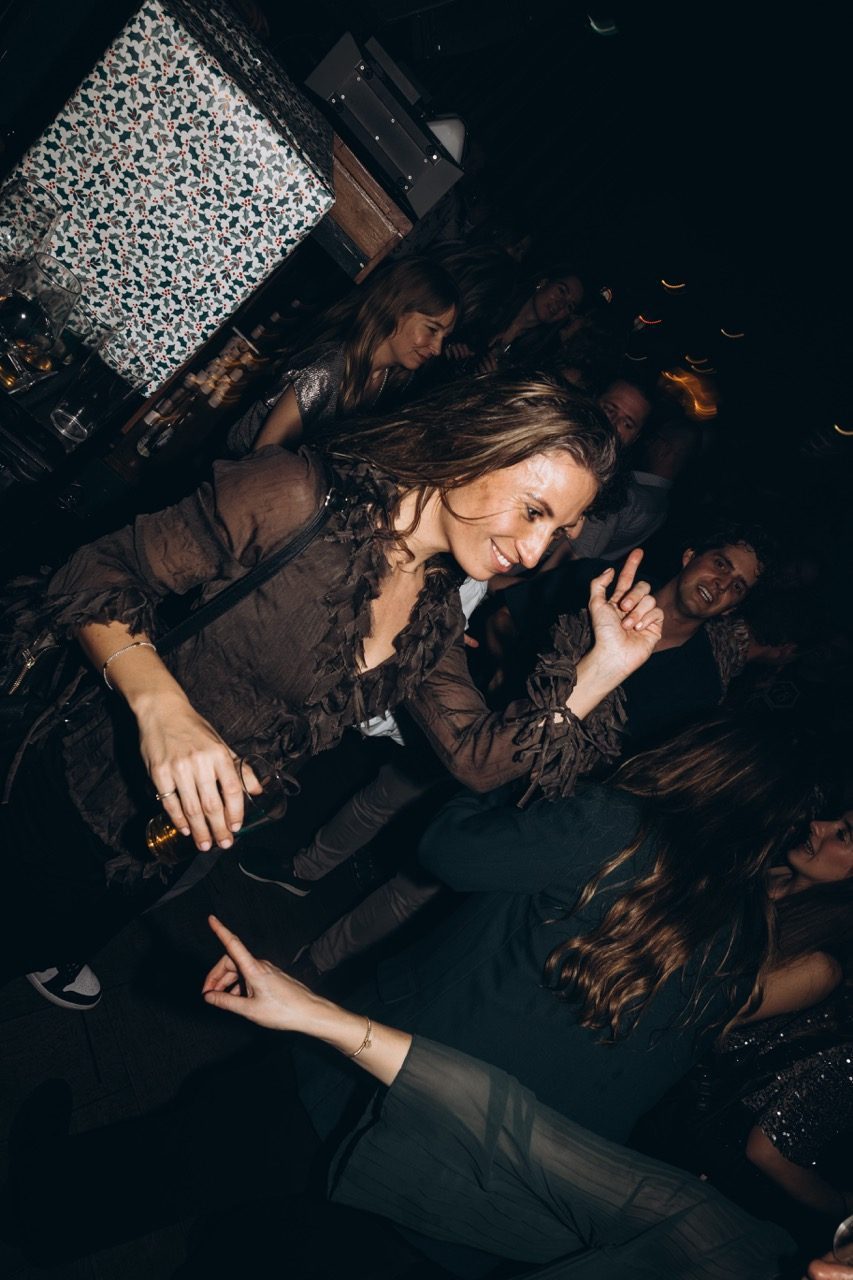
The event uses a club night format specifically to avoid the self-consciousness associated with structured dating formats. There are no rounds, no scorecards, and no facilitated introductions. The social environment is designed to feel familiar and low-pressure while still being populated exclusively by single attendees.
Events are held in established venues in major cities, with a duration that allows the social environment time to develop naturally. The extended format typically running from late afternoon into the early hours means the evening does not feel rushed, and interaction has room to develop across multiple phases of the night.
A clear behavioural standard, respectful interaction and the observance of personal boundaries is communicated as a condition of attendance. The event team and venue security are present throughout the evening to handle any reported concerns. This operational layer is intended to maintain a consistent standard of conduct across the event.
Entry is managed through a ticketed system, which provides baseline information about attendees and supports the demographic monitoring process. Tiered pricing reflects booking lead time rather than any difference in access or experience on the night itself.
Open-format events require a degree of individual initiative that structured formats do not. There are no assigned interactions, prompts, or facilitated introductions. If unstructured social environments typically feel difficult to navigate, this is worth factoring into the decision, not as a disqualifier, but as a realistic expectation-setting consideration. Familiarity with the format tends to reduce initial discomfort over time.
A club night format involves music, ambient noise, and a level of physical activity that some people find energising and others find depleting. This is a practical constraint rather than a value judgement. People who find loud, active environments difficult to sustain for several hours may find that their capacity for meaningful interaction is reduced before the social peak of the evening is reached.
Offline connection rarely follows the accelerated pace that digital communication can create. A single event is unlikely to produce an immediate outcome, and the format is better understood as one recurring opportunity among several rather than a single high-stakes encounter. People who approach offline meeting as a process rather than an event tend to find the format more sustainable over time.
The relevant comparison is not between offline and online as abstract categories, but between the specific conditions each creates for the kind of interaction you are looking for. Dating apps offer scale and filtering but defer in-person assessment. General social settings offer naturalness but lack shared intent. Purpose-built singles events occupy a distinct position: reduced scale, structured shared intent, and immediate in-person interaction. Whether that combination is the right fit depends on which of these variables you weight most heavily.
Before purchasing a ticket, it is worth confirming a few practical details that affect the experience directly.
Most people arrive solo, so it's the norm rather than the exception. The club night format means there's music, drinks, and movement, you're not sitting in a room staring at strangers. Within the first half hour, most guests have already spoken to someone. The environment is designed to reduce that initial friction, not amplify it.
There's no verification system, but attendance requires agreeing to the single-only rule at point of purchase. The event is openly marketed as a singles night, so the audience self-selects accordingly. No system is foolproof, but the shared context creates a level of social accountability that most mixed-audience nights don't have.
The price covers entry to a curated environment where everyone present is single and open to meeting people something a regular bar can't offer. Whether that's worth it depends on how much you value that clarity upfront. For people who find it hard to gauge whether someone is available, the guaranteed context alone tends to justify the cost.
Ticket sales are actively monitored across three age brackets: 18–30, 30–45, and 45+. The goal is a balanced mix, not a young-skewing crowd. All age groups share the same space, so interaction across ages is natural, but you won't be the only person in your bracket.
Yes, there's no obligation to stay the full duration. The event runs until 1:00 AM, but attendance isn't tracked after entry. You're not signed up for rounds or scheduled interactions, so leaving when you want is entirely normal.
You can approach the event team directly or speak to venue security on the spot. Reports are handled in the moment, not filed for later review. The venue setup means there's always staff present, so you don't need to manage the situation alone or wait until after the event.
There's no platform or facilitated follow-up. Once contact details are exchanged, the connection is entirely between the two people. The event creates the environment; what happens after is personal and self-directed.
It's a fair concern. The explicit singles framing does add a layer of intentionality that a regular night out doesn't have. Some people find that clarity freeing; others find it slightly self-conscious at first. The club night format rather than structured rounds tends to dilute that feeling once the evening gets going.
