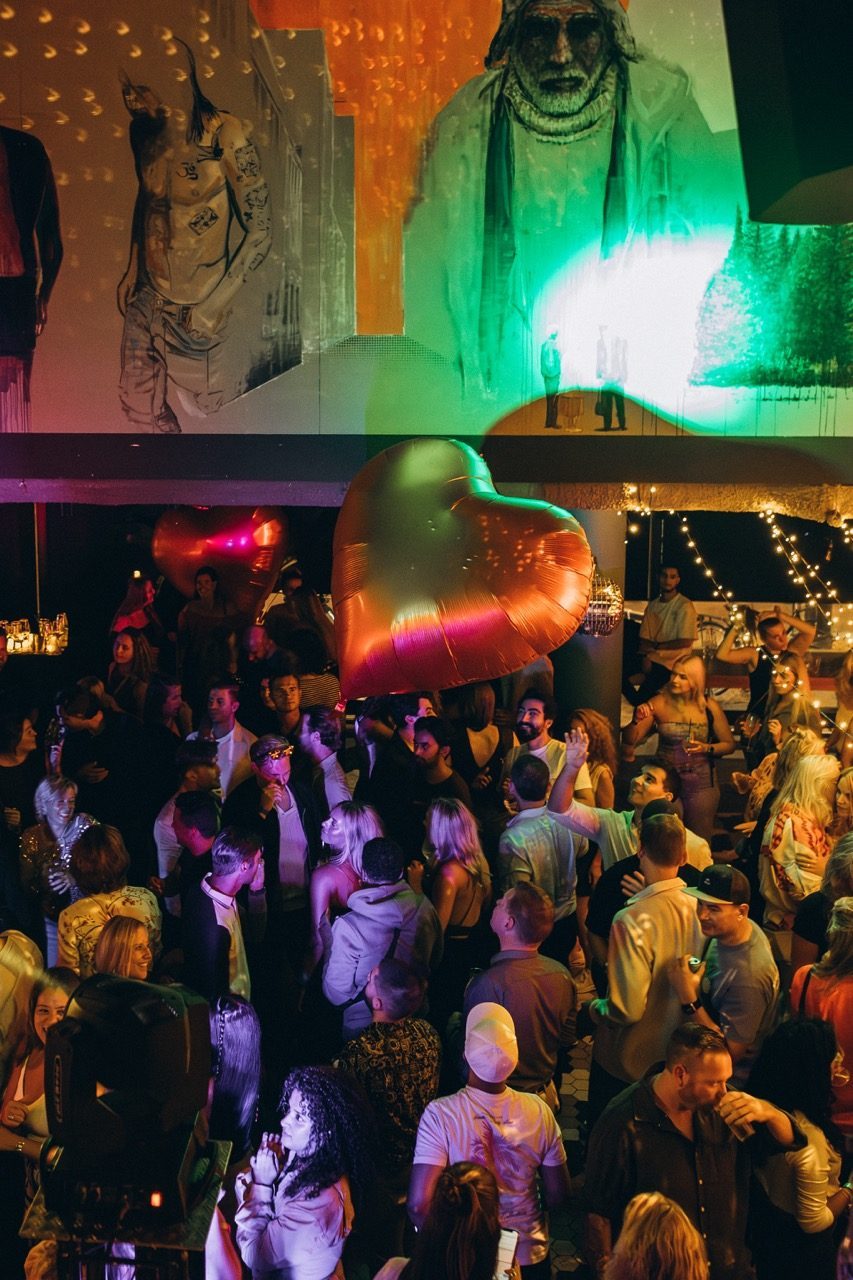
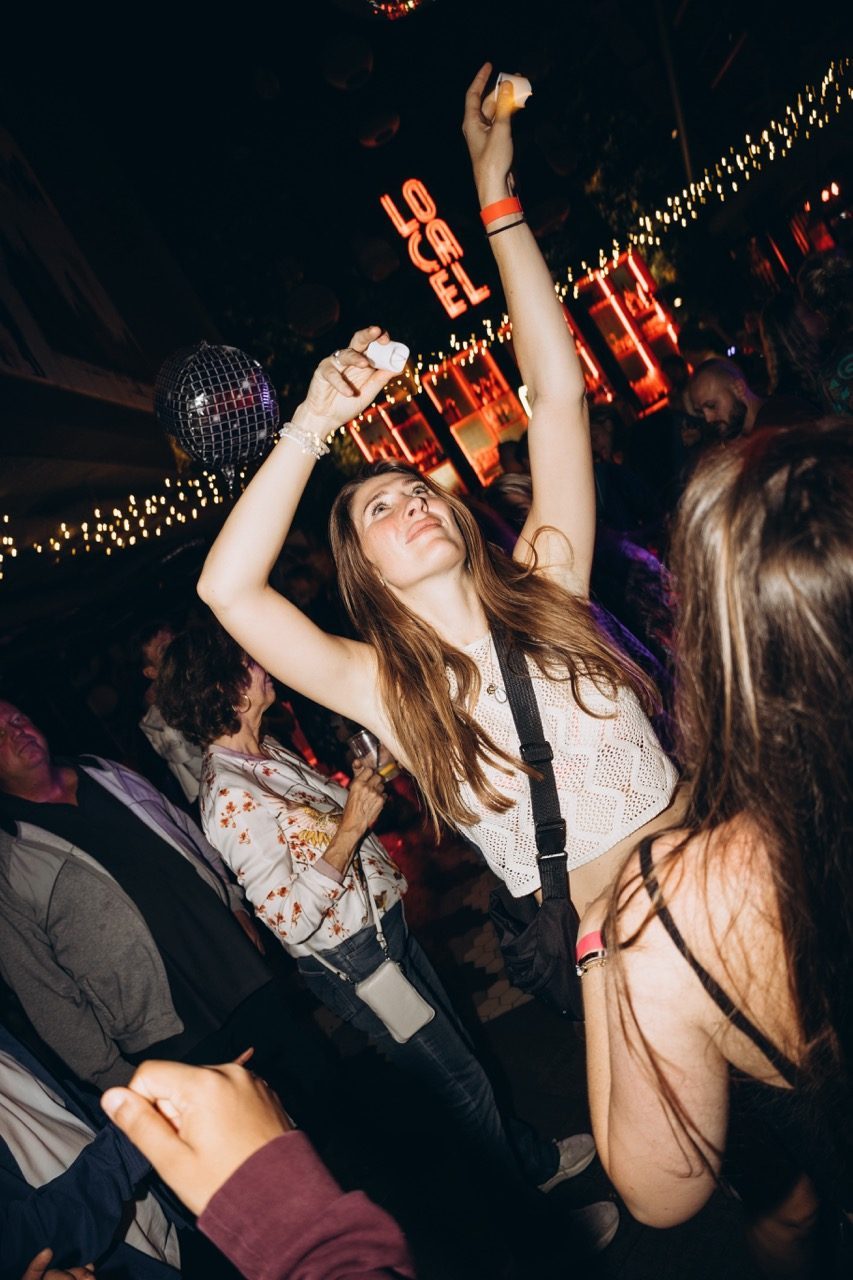
SINGLZ events occupy a distinct category within social events, they are neither dating apps nor speed-dating sessions, but structured social occasions designed for single adults to meet in a live, relaxed environment. As with any public social event, questions about safety are reasonable and worth examining before attending. This page outlines how SINGLZ events are designed, what safeguards are in place, and what prospective attendees should realistically expect. Covering both the format and the limits of what any SINGLZ night can and cannot guarantee.

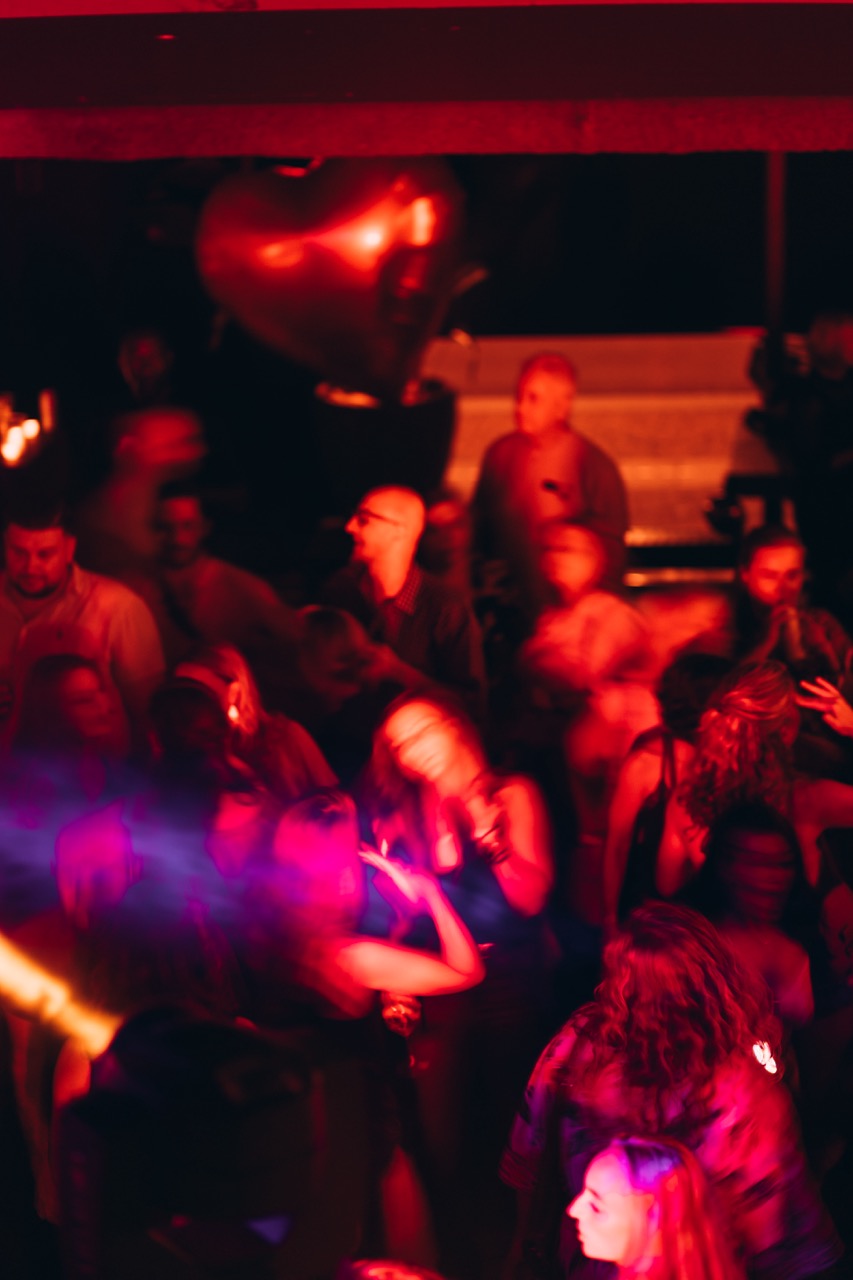

SINGLZ events occupy a distinct category within social events, they are neither dating apps nor speed-dating sessions, but structured social occasions designed for single adults to meet in a live, relaxed environment. As with any public social event, questions about safety are reasonable and worth examining before attending. This page outlines how SINGLZ events are designed, what safeguards are in place, and what prospective attendees should realistically expect covering both the format and the limits of what any SINGLZ night can and cannot guarantee.
Safety at a SINGLZ event has two parts: physical safety and social safety. Physical safety means you are protected from harm or unwanted physical contact. Social safety means you are not pressured or forced to talk to or interact with anyone. These two are not the same. An event can be physically safe but still feel uncomfortable if the format is not well designed. Understanding this helps you know what to expect before attending. At SINGLZ events, both types of safety are considered through careful venue selection, a clear and comfortable event format, and on-site supervision. There are no contracts or monitored matching systems involved.
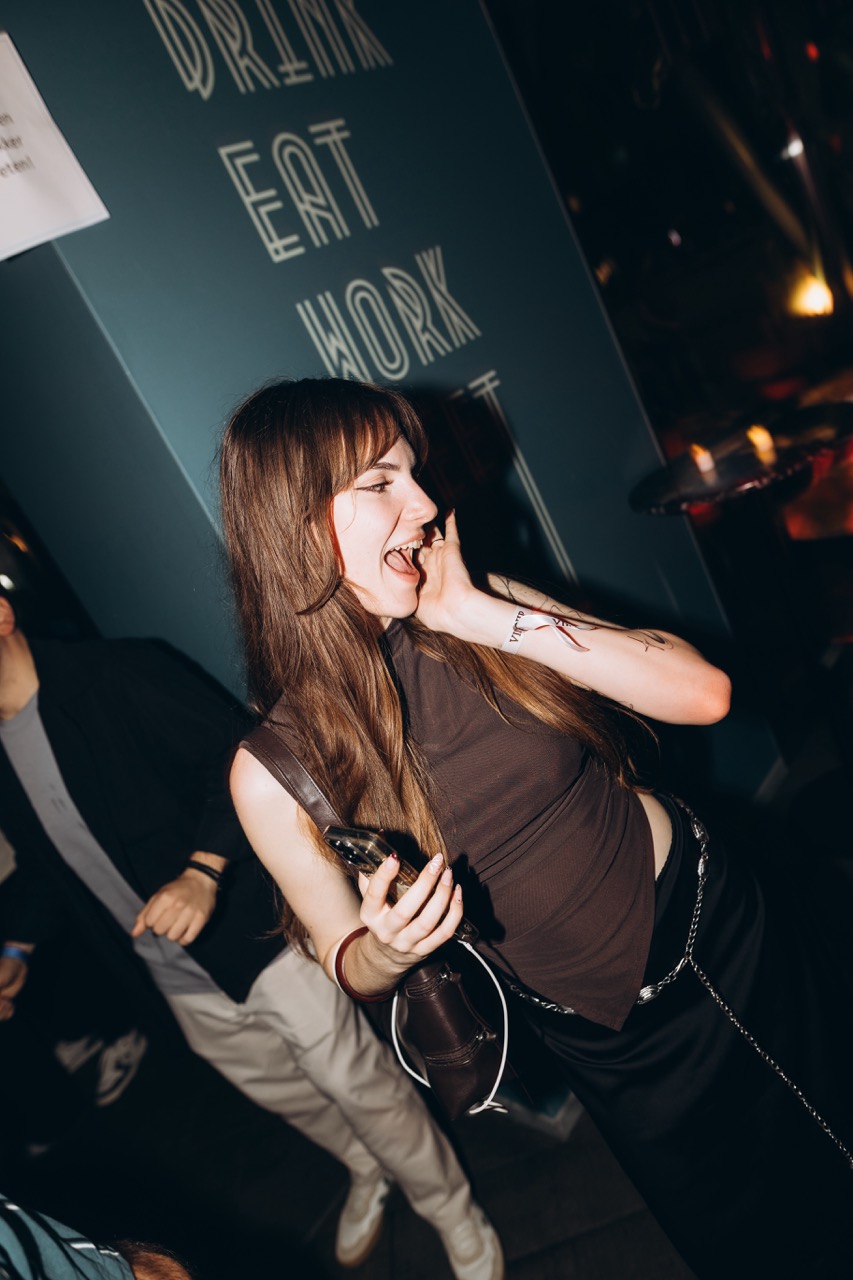

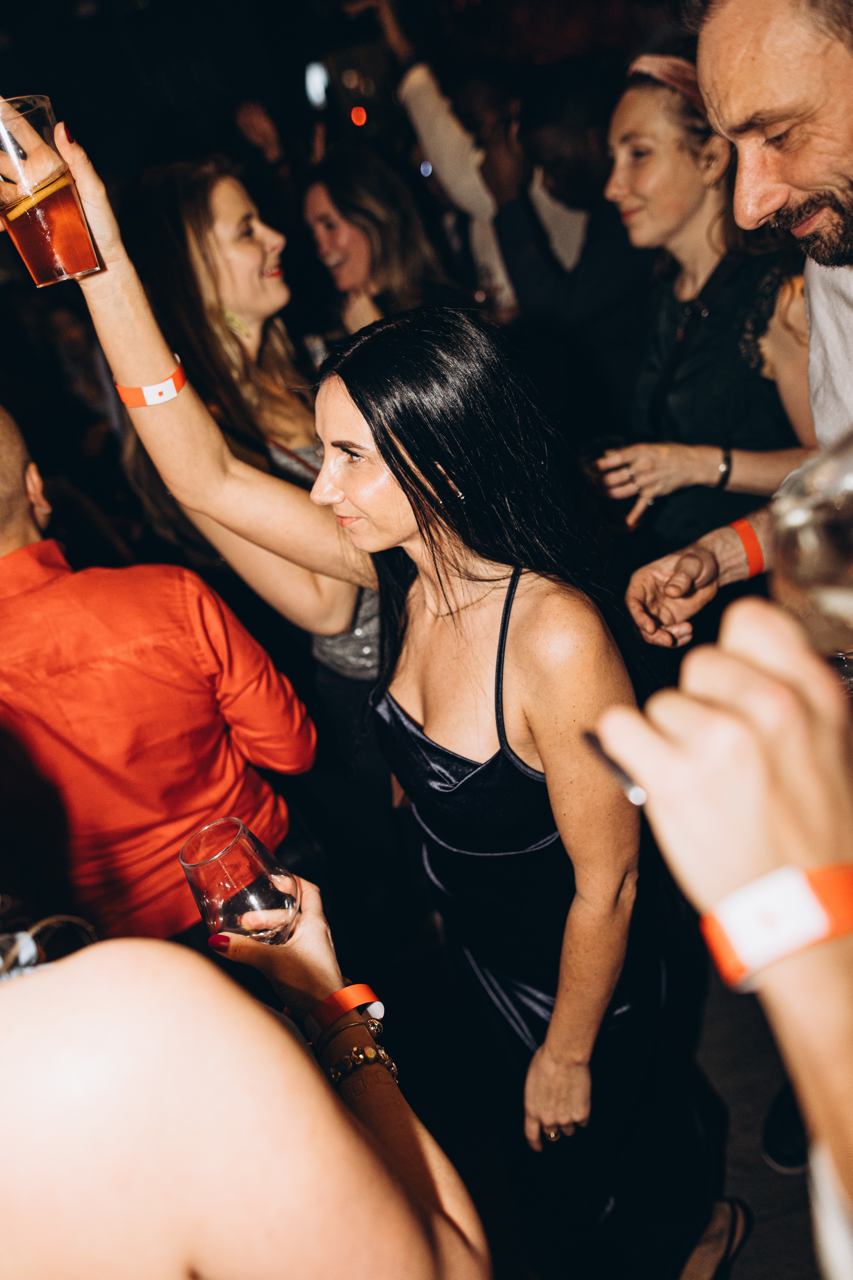
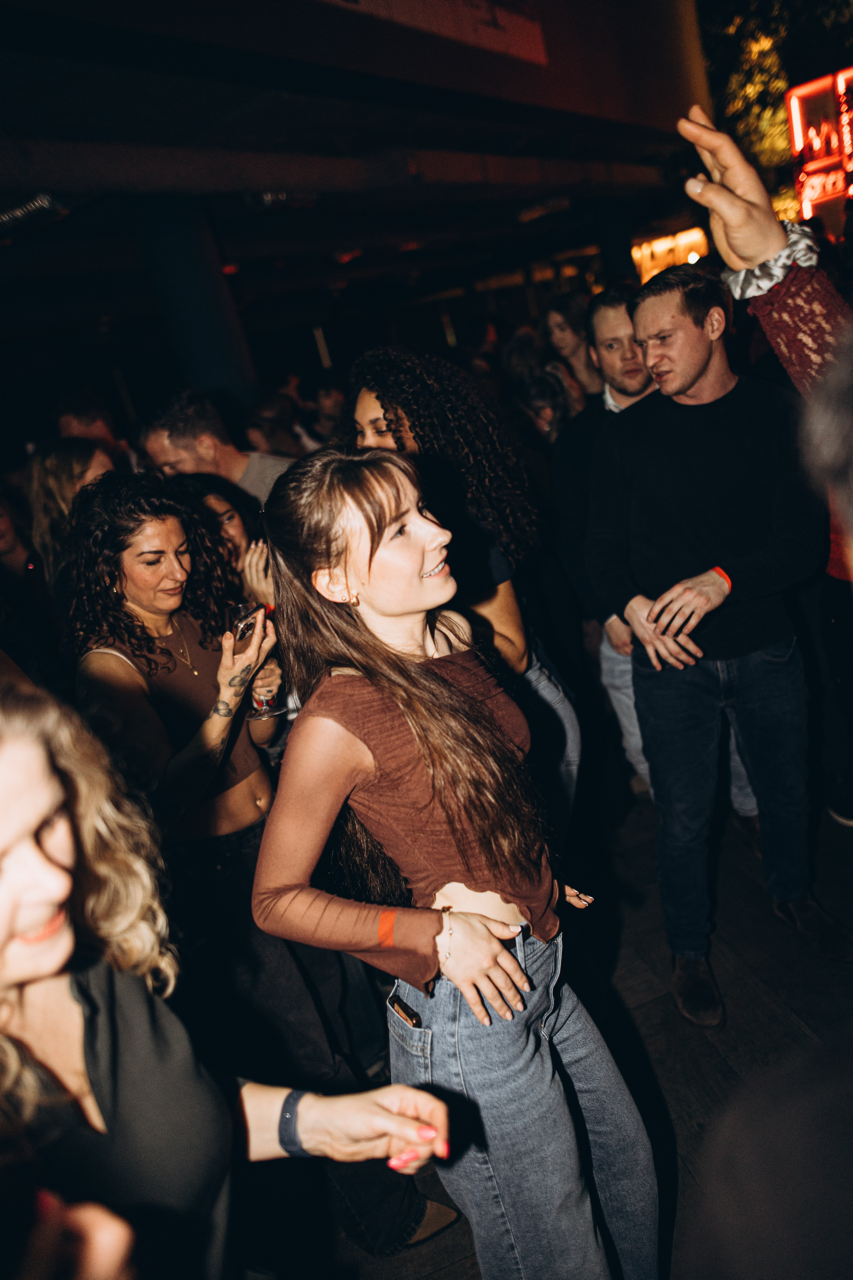
The structural design of a SINGLZ event has a direct bearing on the social dynamics that unfold during the evening. SINGLZ events are built around an open-social format meaning attendance does not carry any obligation to participate in structured activities, approach others, or remain in any part of the venue. Several elements of the event's design contribute to a lower-risk environment.
SINGLZ events do not operate a formal incident logging or follow-up system for post-event complaints. Attendees with concerns that extend beyond the event itself are directed to relevant external channels.
A significant factor in how safe and socially balanced a SINGLZ event feels is whether the crowd reflects a reasonable distribution across age groups and genders. A heavily skewed ratio in any direction can alter the social dynamics of the evening in ways that affect comfort and ease of interaction. SINGLZ monitors ticket sales prior to each event to identify imbalances and adjust availability where necessary.
Ticket purchasers are asked to provide their age at the point of registration. Singlz uses three age brackets 18–30, 30–45, and 45+ to monitor the distribution of attendees. All age groups attend the same event and share the same space. The tracking is used to prevent any single category from becoming disproportionately dominant, which would affect the practical value of the event for attendees in other brackets.
Gender is collected during ticket purchase and is tracked alongside age data. The intent is to maintain a broadly balanced attendance rather than enforce strict equal splits. If ticket sales show a significant skew in one direction prior to the event, availability for the over-represented group may be restricted. This is a logistical measure, not a screening or exclusion policy based on identity.
Composition monitoring is based on data provided voluntarily at the time of ticket purchase. It reflects intended attendance rather than actual attendance on the night, and does not account for late cancellations or no-shows. It provides a directional balance rather than a precise guarantee of any particular ratio.
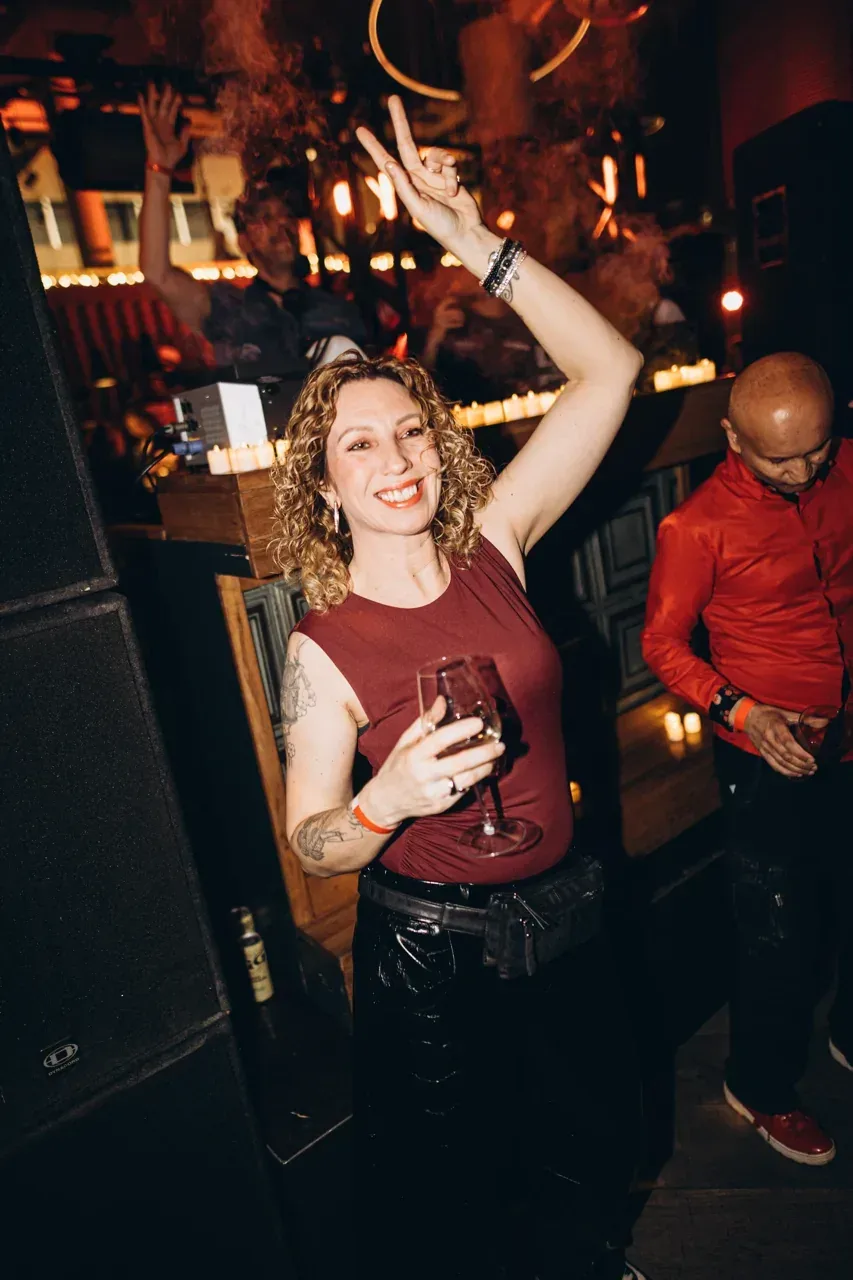
SINGLZ events run from approximately 5:00 PM to 1:00 AM. The evening follows no fixed programme; there are no rounds, assignments, or compulsory activities. Attendees arrive, enter the venue, and join a social environment that functions like a standard club night. Music and a DJ are present throughout. The shared understanding among all attendees that everyone is single and open to meeting people shapes the social tone, but does not create obligation.
Tickets are presented at the door. Entry follows standard venue procedures. There is no orientation, briefing, or icebreaker format upon arrival.
The early hours of the event tend to have a more conversational atmosphere. Background music levels are typically lower earlier in the evening, which supports easier verbal interaction.
As the evening progresses, the energy of the event shifts toward a more typical club-night dynamic, with dancing and higher music levels. Interaction continues throughout at the attendee's own pace and initiative.
The event concludes at approximately 1:00 AM. There is no structured closing activity, debrief, or organised exchange of contact information. Any exchange of details between attendees is entirely voluntary and self-directed.