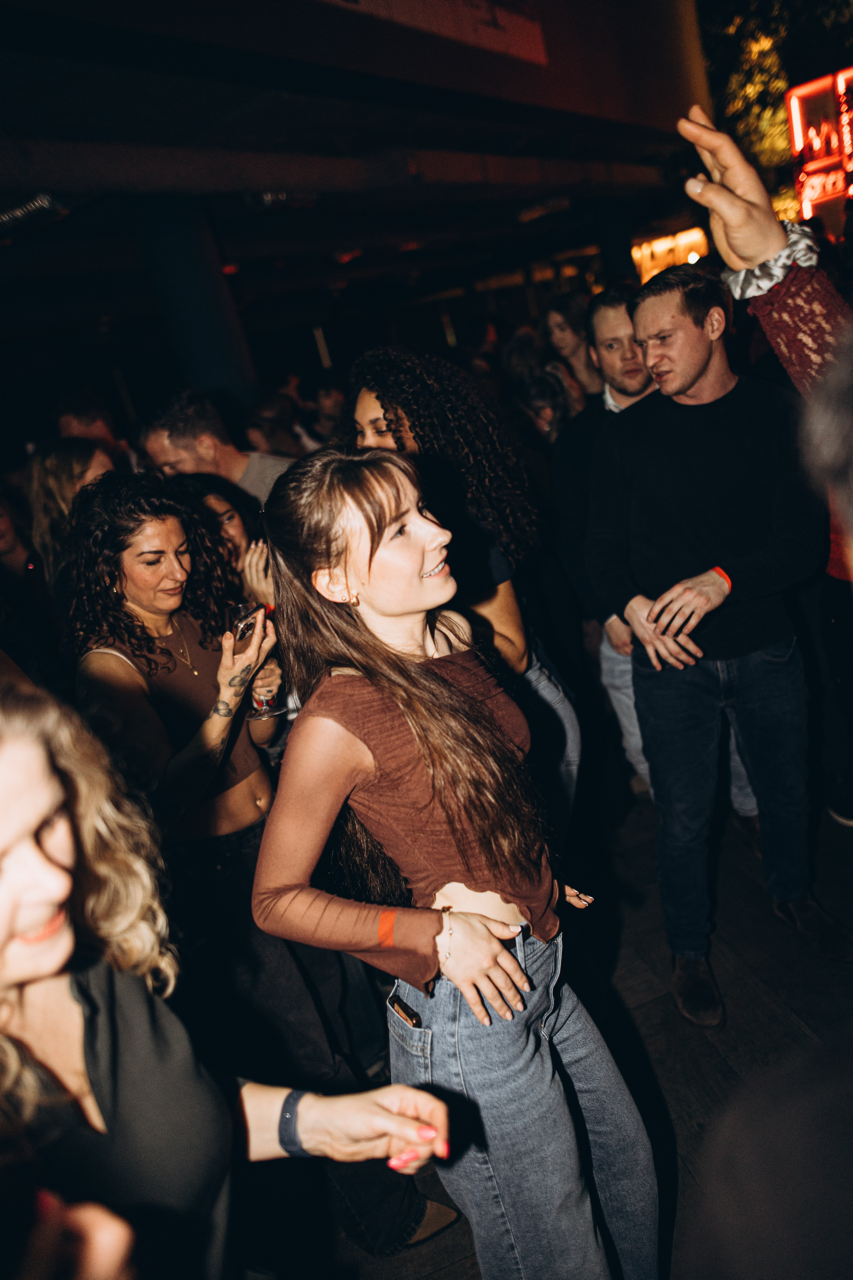

There is no single profile that defines a SINGLZ attendee. The event is deliberately designed to be accessible to any single adult aged 18 and above, regardless of background, relationship history, or social preference. Participants range from people who regularly attend social events to those attending a singles night for the first time. The shared circumstance being single is the only common thread, which tends to create an atmosphere where conversation starts more naturally than it might in a typical club setting.
The sole entry condition for a SINGLZ event is that all attendees are single. This is not verified through documentation or prior screening, but it is clearly communicated as the foundational rule of the event. Because every person in the venue has agreed to this condition upon purchase, it changes the social dynamic in a meaningful way: the intent to be open to meeting someone is already implicit, removing much of the ambiguity that can make social introductions uncertain in other settings.
Because there are no interview processes, compatibility questionnaires, or invitation-only criteria, the event draws people from a wide range of social and personal circumstances. Someone recently out of a long-term relationship attends under the same terms as someone who has been single for years. There is no minimum level of social experience required, and attendance carries no obligation to interact with any specific person. This low-threshold format tends to make the event accessible to people who might not consider themselves suited to more structured dating formats.
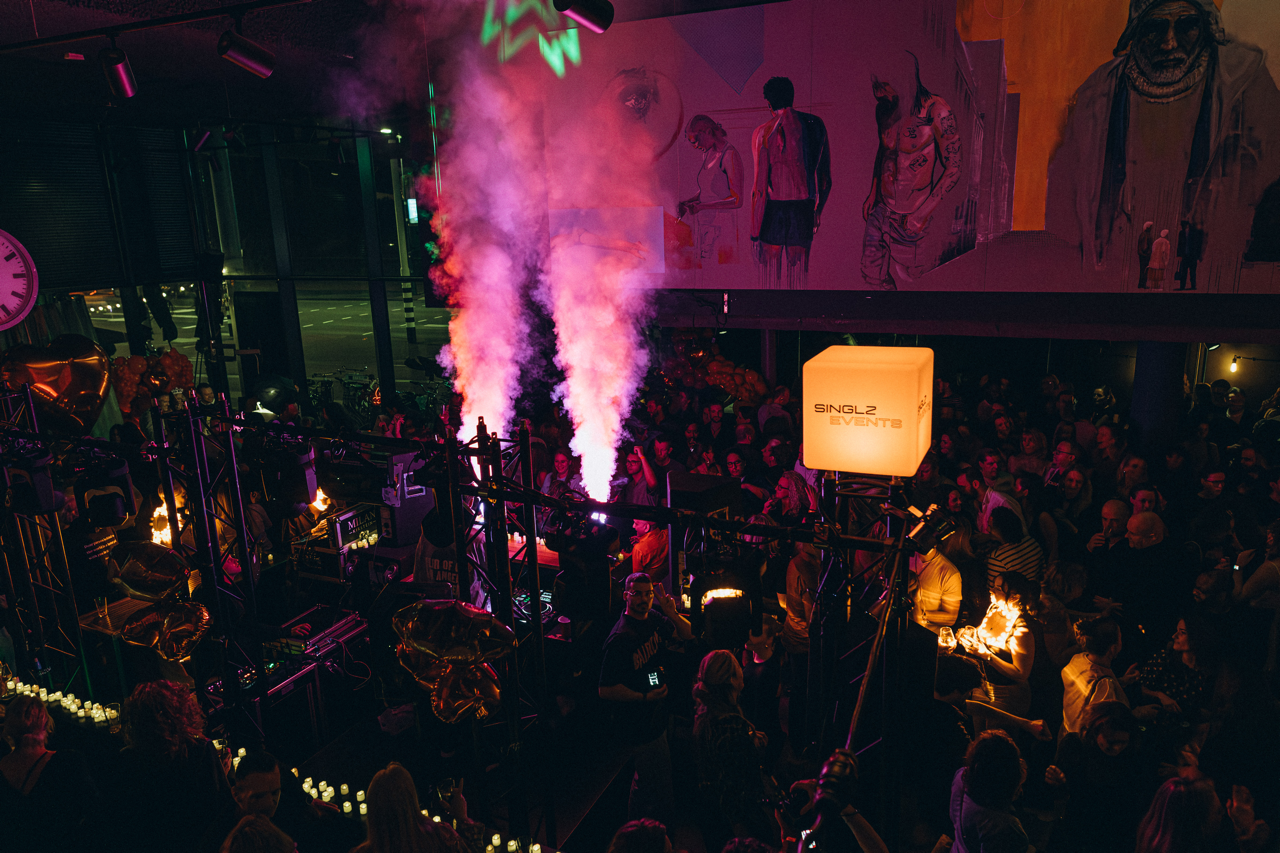
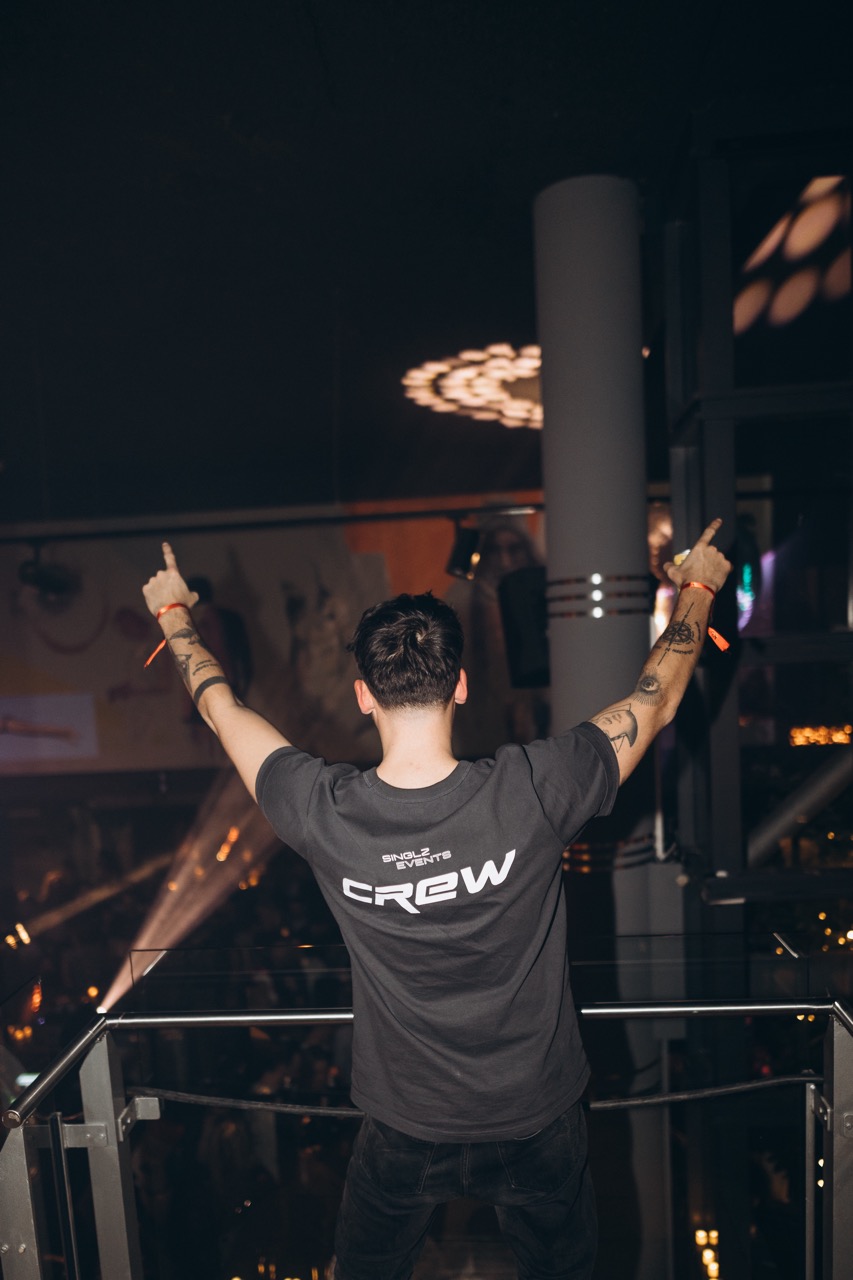

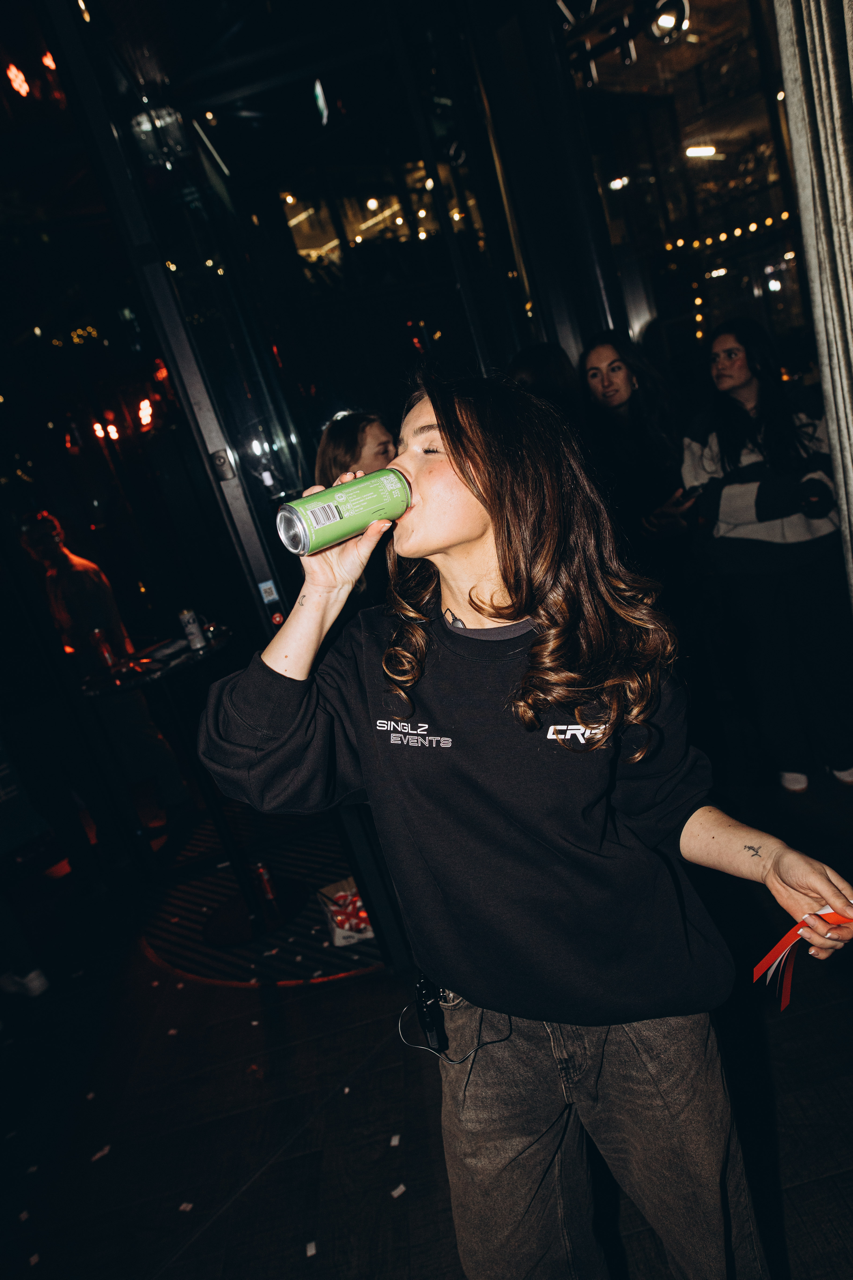
People attend SINGLZ events for a range of reasons. Some are actively looking to meet a potential partner; others are primarily motivated by the social aspect of the evening. The event does not require participants to state their intention, and the atmosphere is designed to accommodate both. What the format does provide is a context where meeting new people is the expected activity, not an incidental one.
One of the distinguishing features of this format is the absence of structured interaction. There are no timed rounds, assigned seats, or mandatory introductions. This separates a SINGLZ event from speed dating or facilitated matchmaking formats, where the social dynamic is shaped by a defined procedure. Here, the impetus to connect is self-directed. Attendees can approach the evening as a standard social night out, with the added context that everyone present is single and open to meeting people. For many, this removes the performance pressure associated with more formalised dating formats.
Attendees who are comfortable in social or nightlife settings, or who do not require structured prompts to initiate conversation, tend to navigate this format well. The event suits people who value organic interaction over a managed process. It is also well-suited to those who want to be in a social environment around other single people without committing to a specific interaction format in advance.
Those who prefer guided introductions, structured matching, or a quieter environment for conversation may find the club format less compatible with their social style. The event takes place in a venue with music and a club atmosphere, which means ambient noise and the general energy of a nightlife setting are part of the experience. People who find unstructured social settings difficult or who are not comfortable in club environments may be better served by other formats.
The event is not open to people who are in a relationship. This is not a social-only event that happens to attract single people it is explicitly designed as a singles night, and the shared single status of all attendees is what gives the event its social function. Attendance by people who are not single undermines the premise of the event for all other participants.
Not at all. SINGLZ events actively track ticket sales across three age brackets 18–30, 30–45, and 45+ to keep the room balanced. The 45+ group is a regular part of the crowd, not an exception. You won't be the oldest person there, and the club format means people mix naturally rather than being sorted by age.
There's no verification at the door that's a fair concern. What the event does is make singlehood the stated, public condition of attendance. Everyone has agreed to it at purchase. That shared social contract changes how people show up, even without enforcement. Whether that's sufficient depends on how much weight you give to implicit social norms.
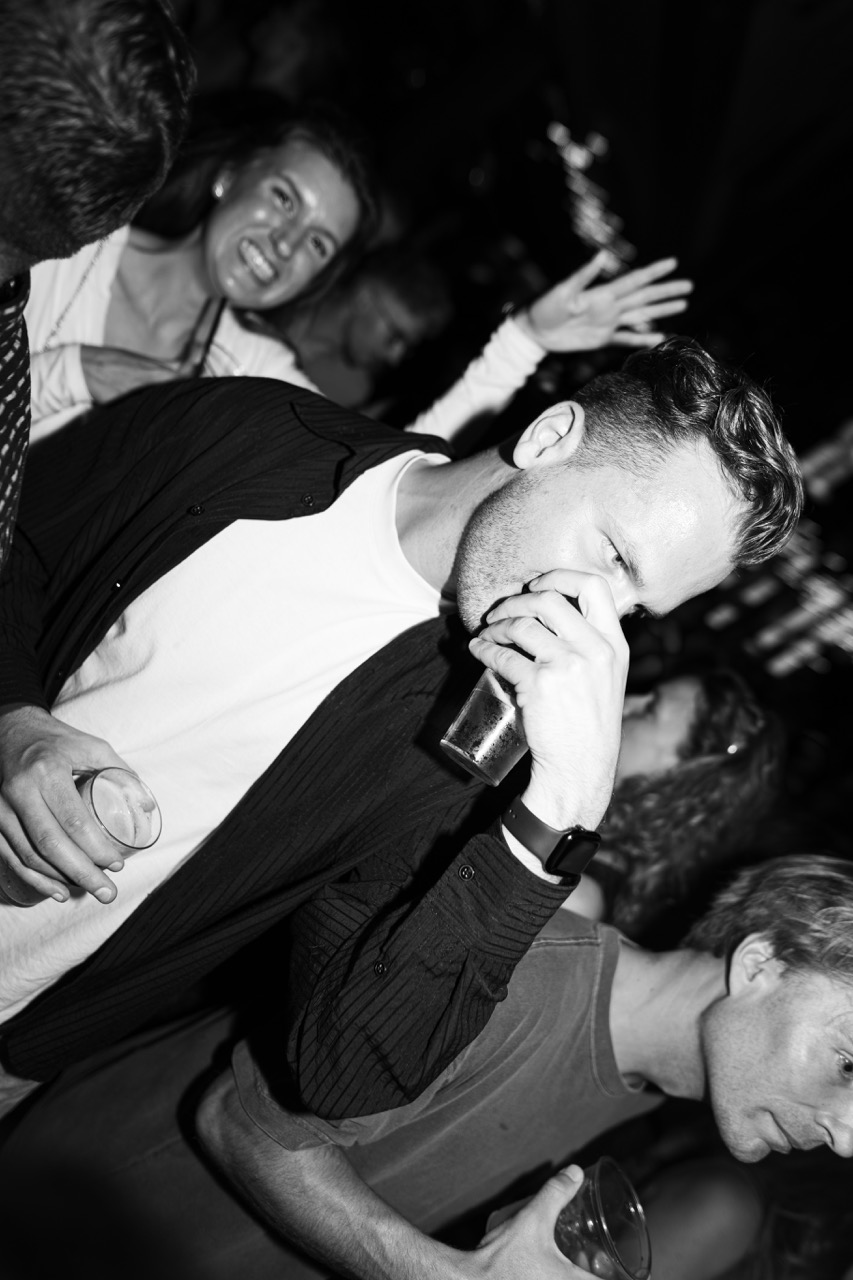
You walk in and figure it out intentionally. There are no rounds, introductions, or scheduled activities. It runs like a regular club night: DJ, bar, people moving around. If you're comfortable in that kind of environment, the evening is easy to navigate. If you need a prompt to start conversations, you'll need to bring that initiative yourself.
Realistically: a social night out where everyone around you is single and open to meeting people. Whether that leads to a connection depends on who attends, how you engage, and simple chance. The event removes the social awkwardness of not knowing if someone is available it doesn't replace the effort of actually talking to people.
The event runs from 17:00 to 01:00, so there's flexibility. Earlier in the evening tends to be quieter, which some people find easier for conversation. Later hours are more energetic but louder. Neither is objectively better it depends on what kind of social environment you find more comfortable.
No specific aftercare applies here contact exchange is entirely between individuals, and there's no event-facilitated follow-up. If you shared details with someone, the next step is simply reaching out. There's no matching system or platform behind the scenes tracking who spoke to whom.
One night is a limited sample. The crowd varies by event different age ratios, different venue energy, different ticket volumes. Some people find the format clicks better after they know what to expect. Whether it's worth repeating is a personal call, but a single evening doesn't tell you much about the format's fit for you.
SINGLZ monitors ticket sales per age category and adjusts promotion to maintain balance. In practice:
No category is excluded or underrepresented by design, but exact ratios shift night to night.
