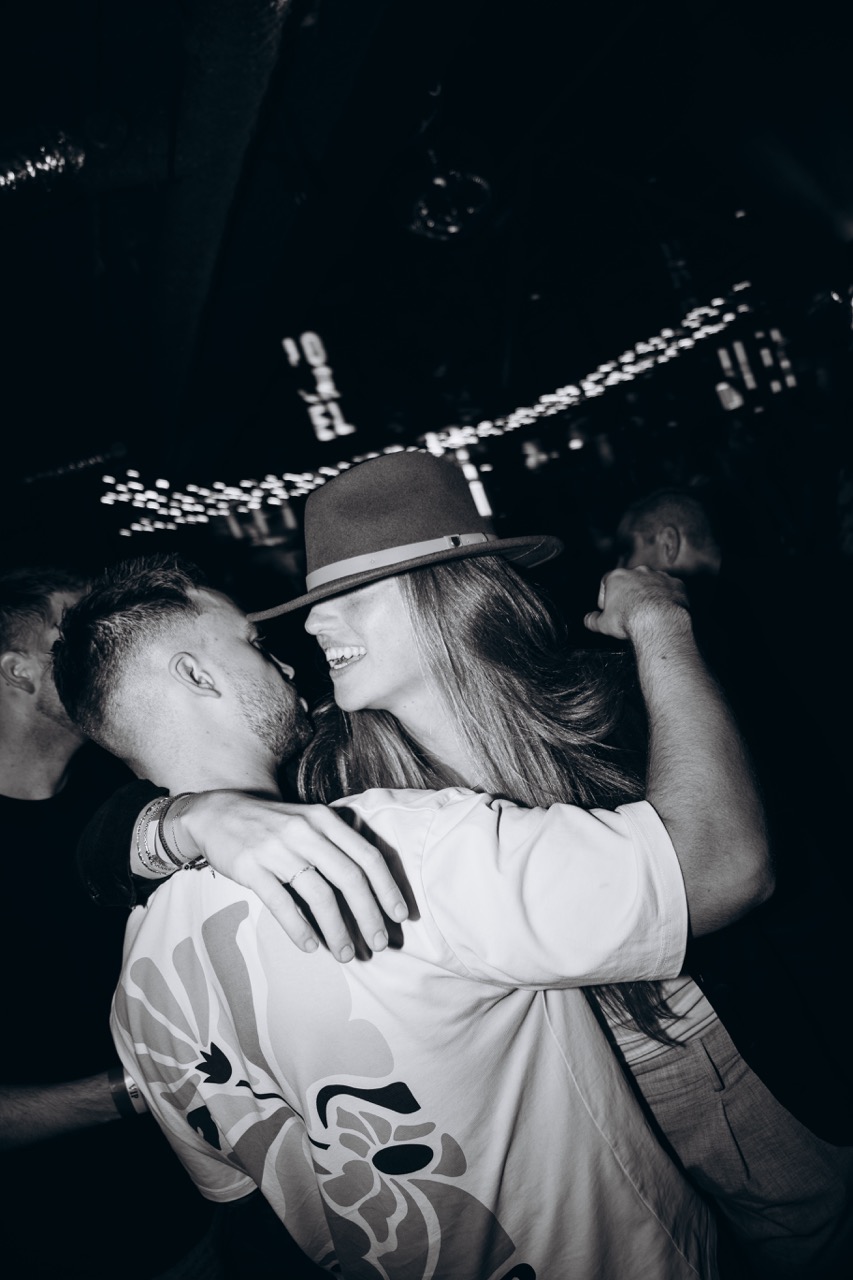

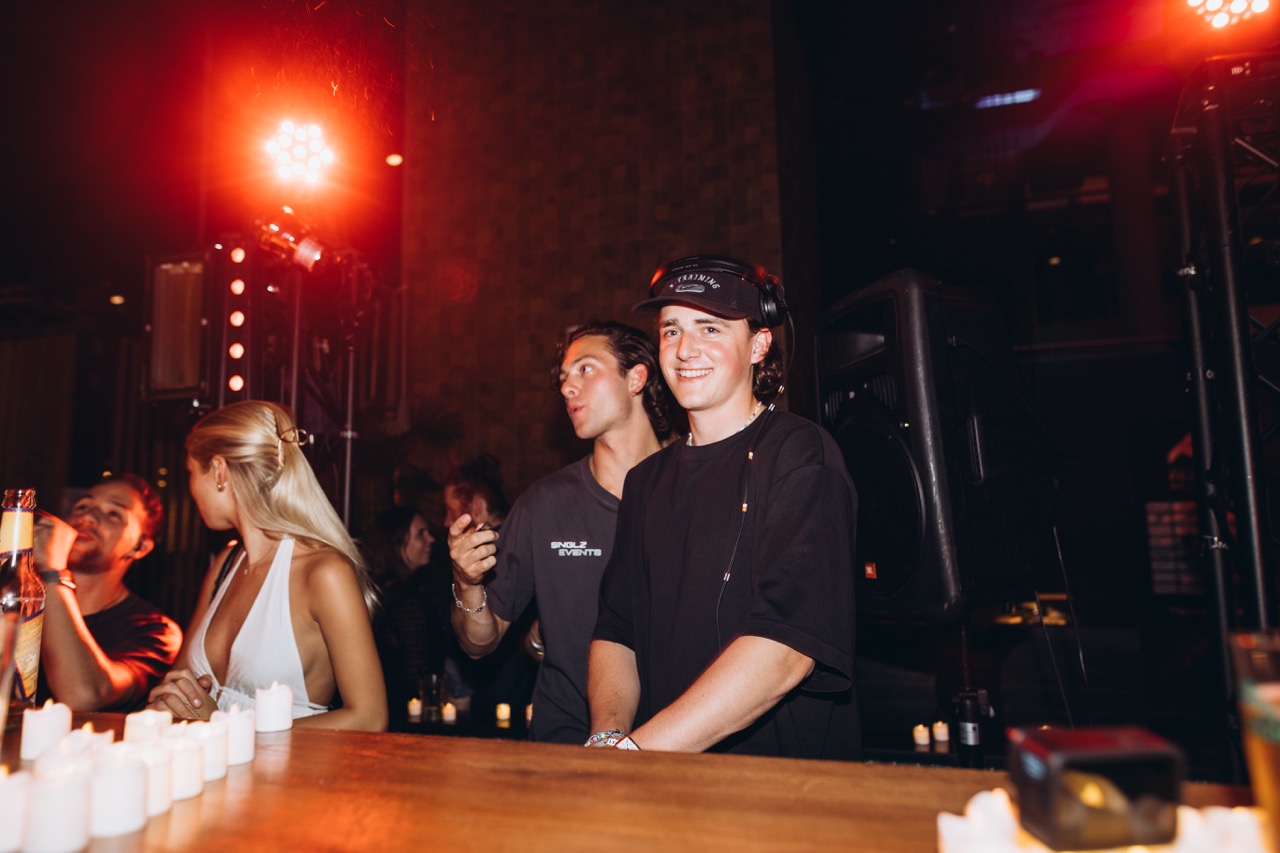
A SINGLZ night operates as a standard club event DJ, bar service, and a social floor hosted within your venue. The format does not require structural changes, specialist equipment, or additional programming from the venue. The defining characteristic is a ticketed, exclusively single audience, which is managed and communicated by SINGLZ prior to the event. Venue staff operate as they would on any regular club night.
| SINGLZ Responsibility | Venue Responsibility |
|---|---|
| Event promotion and marketing | Venue space and floor management |
| Ticket sales and audience registration | Bar operations and staff |
| Audience composition monitoring (age and gender balance) | Security and in-venue safety |
| DJ booking and event programming | Compliance with local licensing requirements |
| On-site event team presence | Technical setup: sound system and lighting |
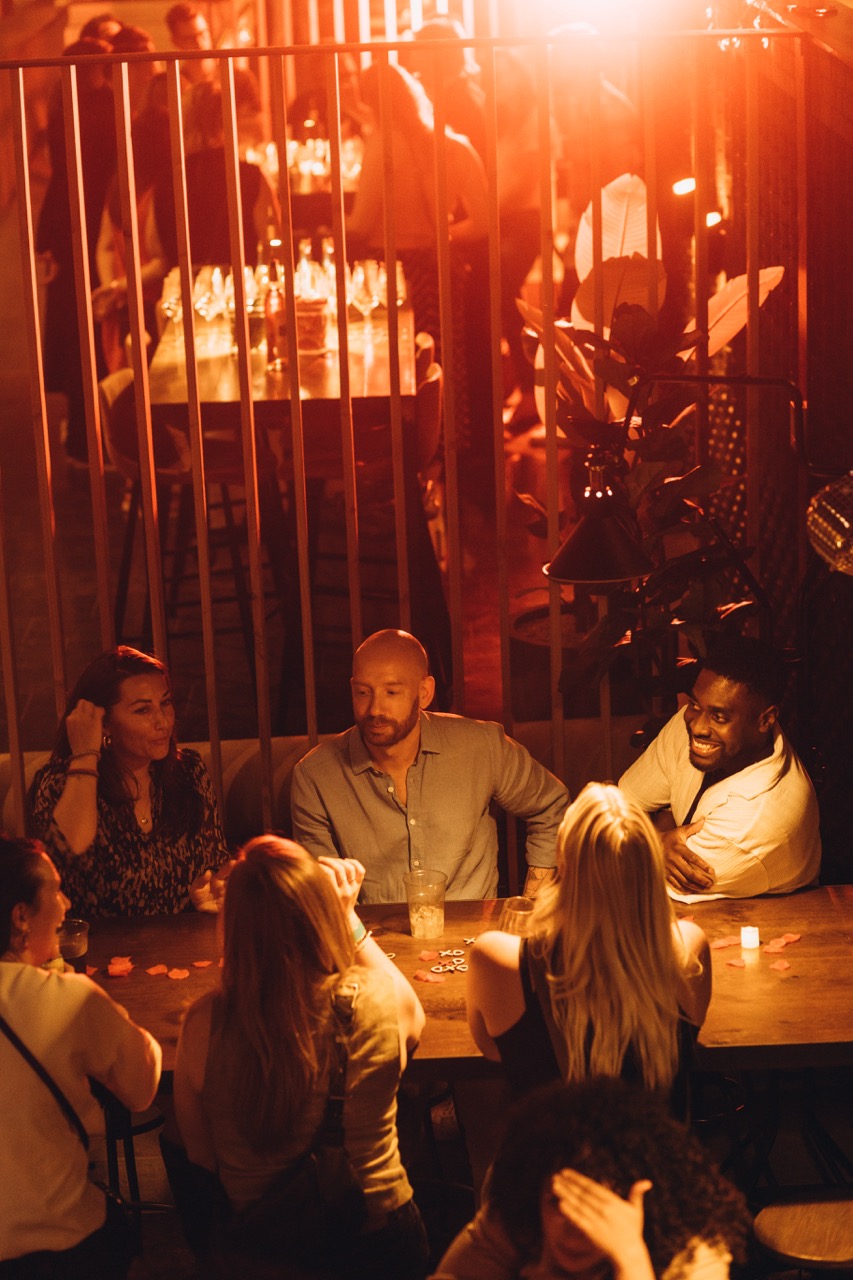
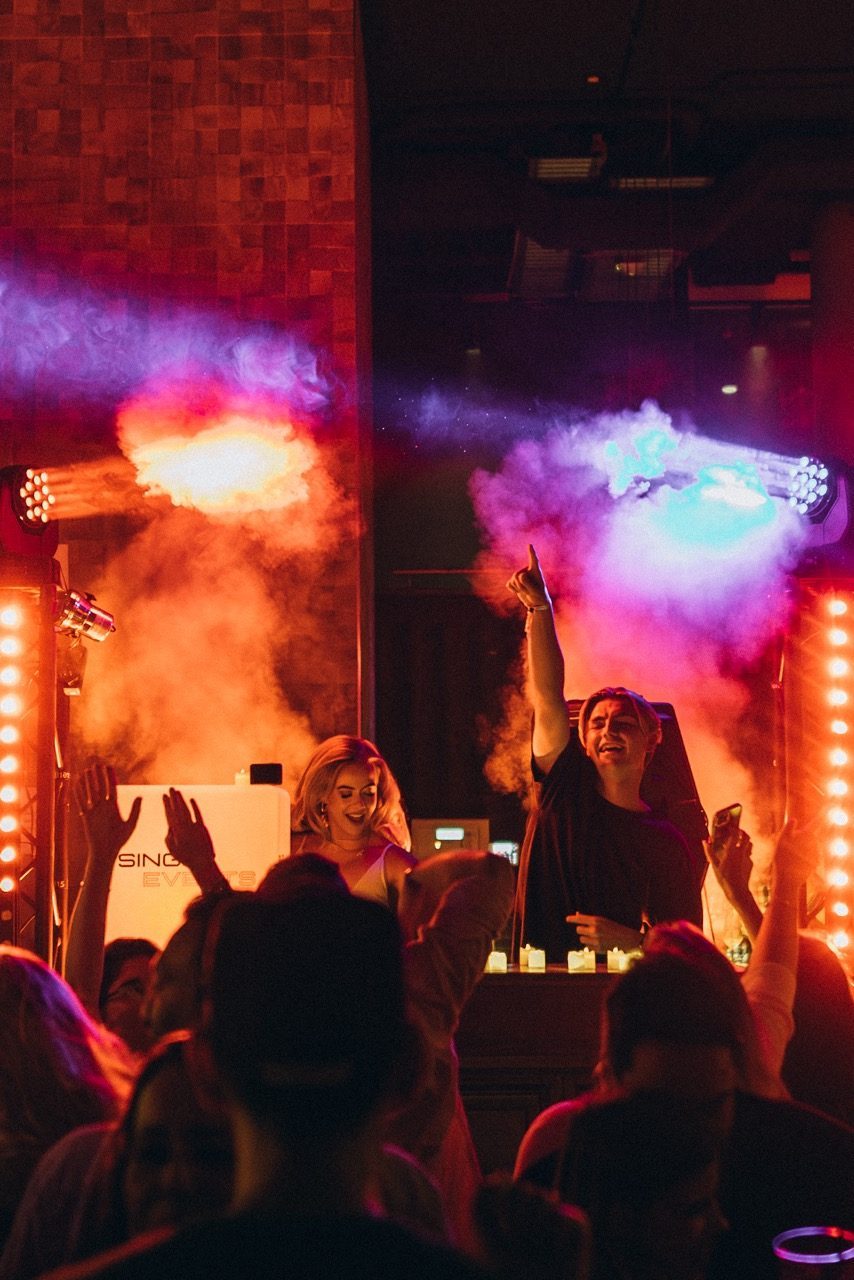
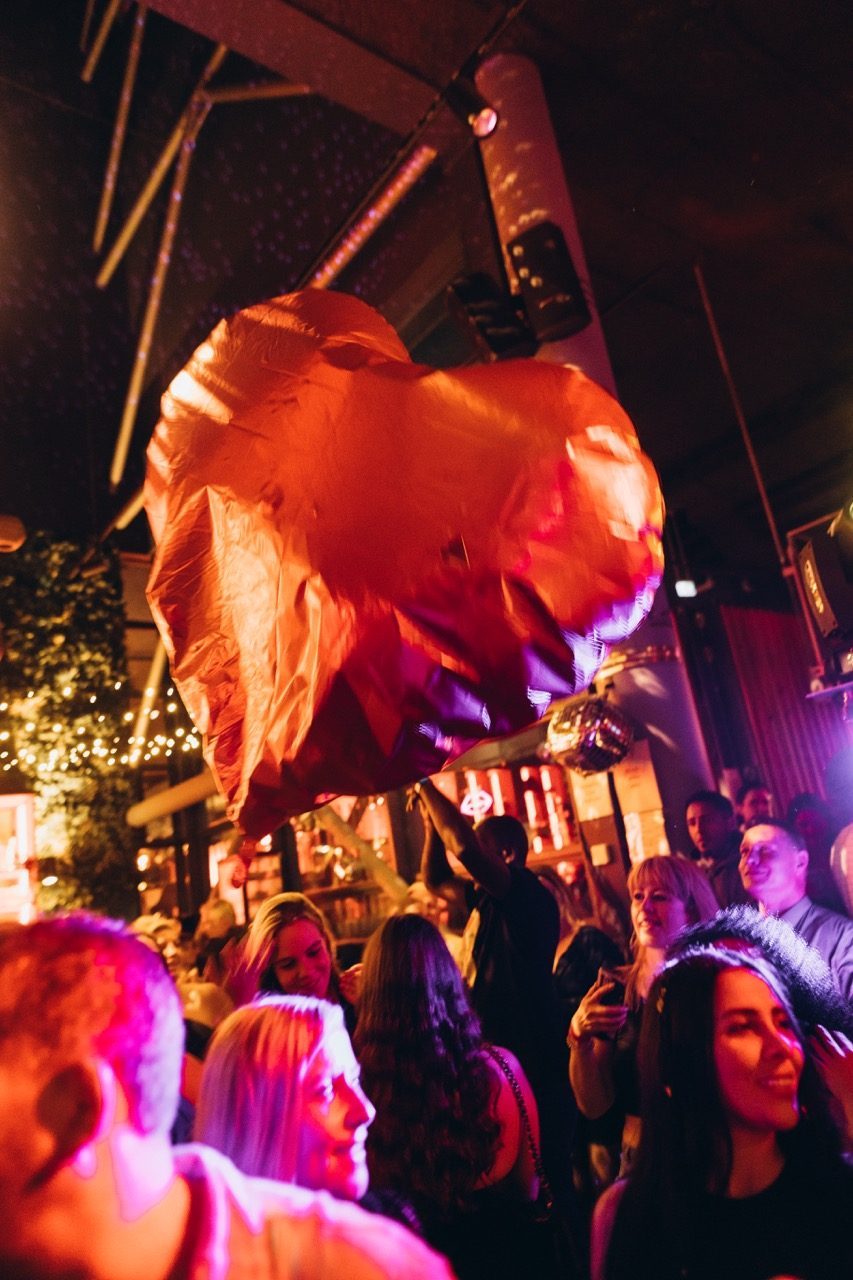
Events draw a pre-registered, ticketed audience on dates your venue designates, providing a dependable programming slot on otherwise variable evenings.
The audience spans three age categories 18–30, 30–45, and 45+ reflecting a mature, socially active crowd across a wide range of bar spending patterns.
Successful events can be scheduled at regular intervals, creating an established programming slot rather than a one-off activation with diminishing promotional investment over time.
The capacity of the venue and the realistic audience volume it can support are central to how revenue is divided. Larger venues with higher overheads are assessed differently from smaller, more intimate spaces.
Ticket revenue and bar revenue are typically treated as separate streams. The commercial arrangement reflects which party bears which operational costs and how each revenue source is allocated between SINGLZ and the venue.
Terms may vary depending on the city, the competitive venue landscape, and the maturity of the SINGLZ audience in that location. Events in cities where SINGLZ is already established may operate under different conditions than new market entries.
Venues that commit to a recurring schedule rather than a single event may be subject to different terms, as the operational and promotional investment from SINGLZ differs accordingly.
Venue applications are submitted directly through the SINGLZ website. The submission should include basic information about the venue: location, capacity, type of space, and current operational status. Applications are reviewed against event criteria, and venues that meet the initial requirements are contacted for a follow-up conversation. SINGLZ currently operates in the Netherlands, and partner venue applications are considered within that geographic scope.
Not necessarily. SINGLZ events typically run on designated dates you agree to in advance, so scheduling is coordinated around your existing calendar. The format is a standalone club night, not a takeover of your regular brand. Many venues position it as a complementary slot on otherwise quieter evenings. The key question during the alignment meeting is finding dates that work for both parties without cannibalising your core audience.
There's no fixed industry-standard lead time, but realistically you need enough runway for SINGLZ to run ticket sales and promotion effectively. Rushing this compresses audience build-up. Expect a minimum of several weeks between agreement and event date longer for a first event in a new city where the audience isn't yet established. This is typically clarified during the planning phase after terms are agreed.
Entry is managed collaboratively. SINGLZ uses its own ticket records to verify guests, but your door staff remain present for venue-side operations. Both teams need to be aligned before guests arrive on how check-in is handled, who communicates what, and how walk-ins are treated. A brief coordination check before doors open is standard practice to avoid confusion at peak entry times.
Venue security handles in-venue safety, as they would on any regular night. The SINGLZ event team manages event-side coordination and is present throughout. For conduct-related reports, both teams respond together. There's no handoff of responsibility it's a shared operational floor. Your existing incident protocols remain in place; SINGLZ doesn't override your venue's standard procedures.
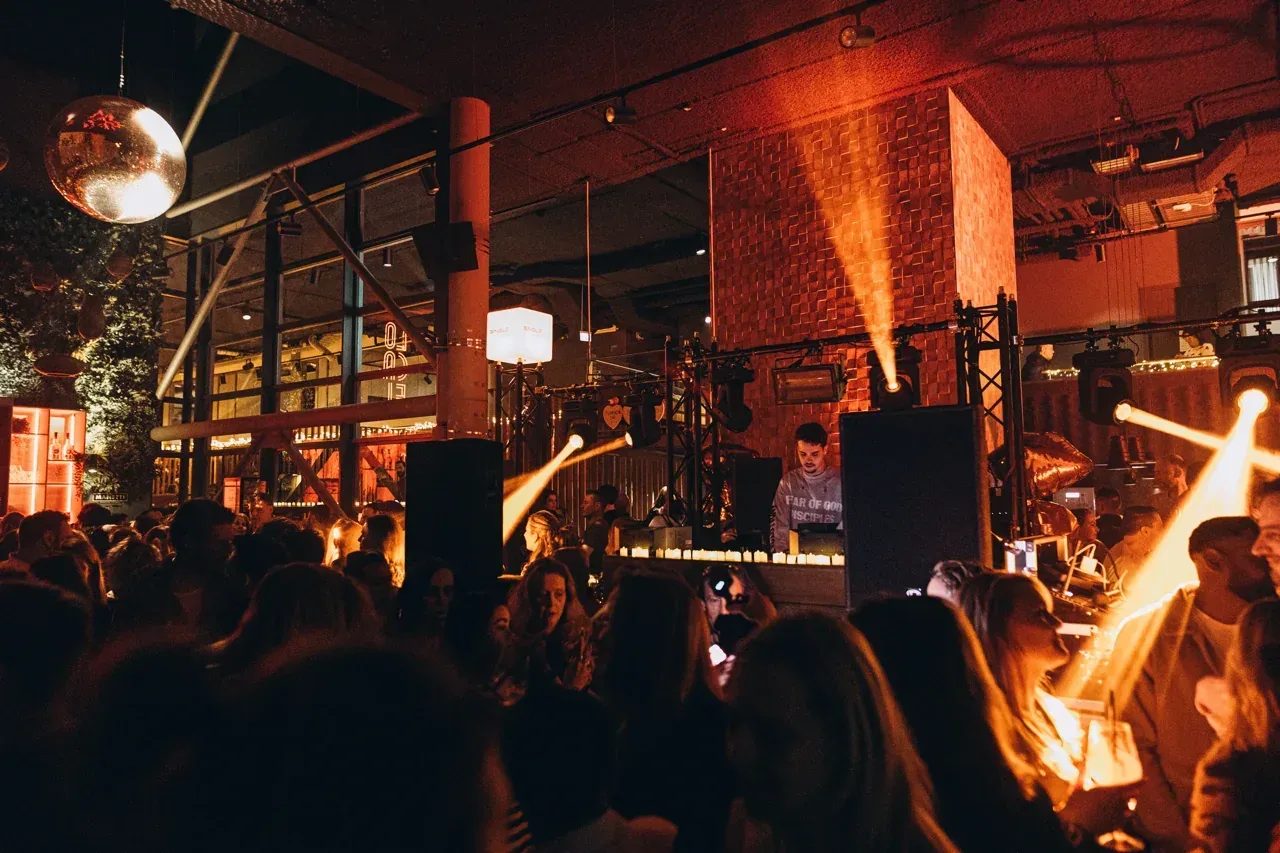
SINGLZ books and provides the DJ. Your venue provides the technical infrastructure sound system, lighting, and the stage or DJ area. You don't need to source or brief a performer. That said, your technical setup needs to be confirmed as compatible before the event date, which is part of the operational readiness check during the planning phase.
SINGLZ handles all promotion and ticket sales independently your venue doesn't carry the marketing burden. Attendance is driven by pre-sold tickets, so footfall isn't speculative in the same way as open-door events. That said, no attendance figure is guaranteed; outcomes depend on city, timing, and how established the SINGLZ audience is in your area. First events in newer markets typically perform differently from those in established ones.
Post-event, SINGLZ reviews logistics and performance before confirming future dates. If both parties are aligned, a recurring schedule can typically be agreed relatively quickly. The factors that influence this include:
SINGLZ events draw a broad adult demographic across three age groups, including the 30–45 and 45+ brackets, which typically show different spending patterns compared to younger-skewed club nights. However, bar performance depends on attendance volume, event duration, and your pricing structure none of which SINGLZ controls directly. The commercial arrangement accounts for the fact that bar revenue stays with the venue, which is part of how overall terms are structured.
Partnership terms aren't fixed permanently. As events mature in a given venue and attendance patterns become clearer, it's reasonable to revisit the arrangement. Whether terms adjust upward or otherwise depends on factors like frequency commitment, operational track record, and market conditions at the time. This is a conversation to initiate directly with SINGLZ there's no standard revision schedule, but the relationship is intended to be ongoing rather than transactional.
