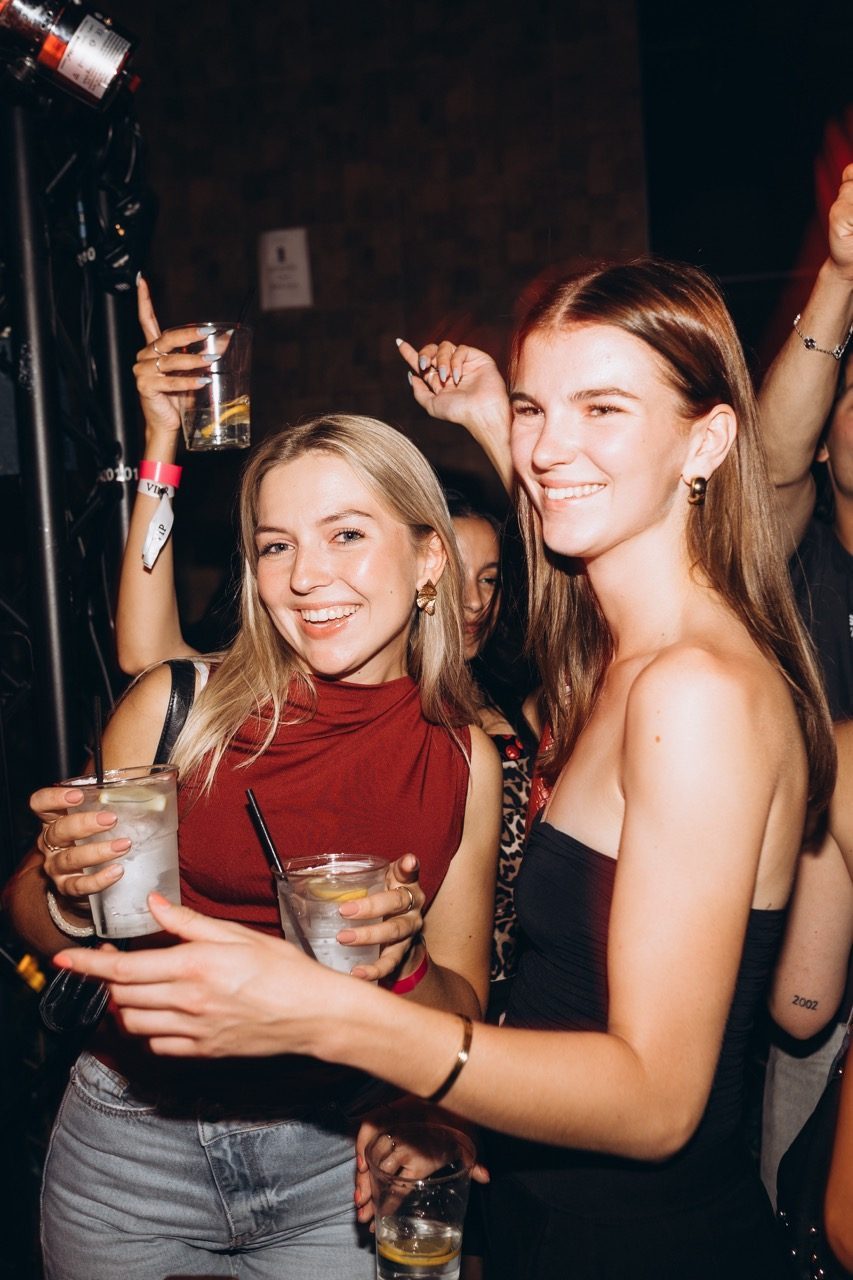

Larger cities generate larger pools of potential attendees, which allows for more consistent age and gender balance across events. Smaller cities may produce more homogeneous audiences unless draw radius extends to surrounding areas.
Cities with universities or technology industries tend to skew younger, while administrative or financial centres typically attract a broader spread across the 30–50 age range. This directly influences which age groups are most represented at an event.
Urban single-person household rates in the Netherlands are highest in Amsterdam, Utrecht, and Rotterdam. Higher rates of single-person households generally correspond with greater demand for social events designed for unattached adults.
Cities well-connected by public transport, such as Utrecht, benefit from attendees travelling from neighbouring areas, effectively expanding the catchment area beyond the city's administrative boundaries.
A SINGLZ night in a Dutch city operates within a standard nightlife format: a licensed venue, a DJ, a bar, and a general social environment running across an evening. What distinguishes it from a regular club night is not the physical setup but the shared social context. Every person in the room has attended with the explicit understanding that all other attendees are also single. This removes a common social ambiguity that exists in standard nightlife settings, where the relationship status of others is unknown. In practice, this creates a more open conversational environment, as the premise of the event is already established. There are no structured activities, assigned interactions, or formal rounds. The evening progresses naturally, and whether connections form is entirely at the discretion of individual attendees.


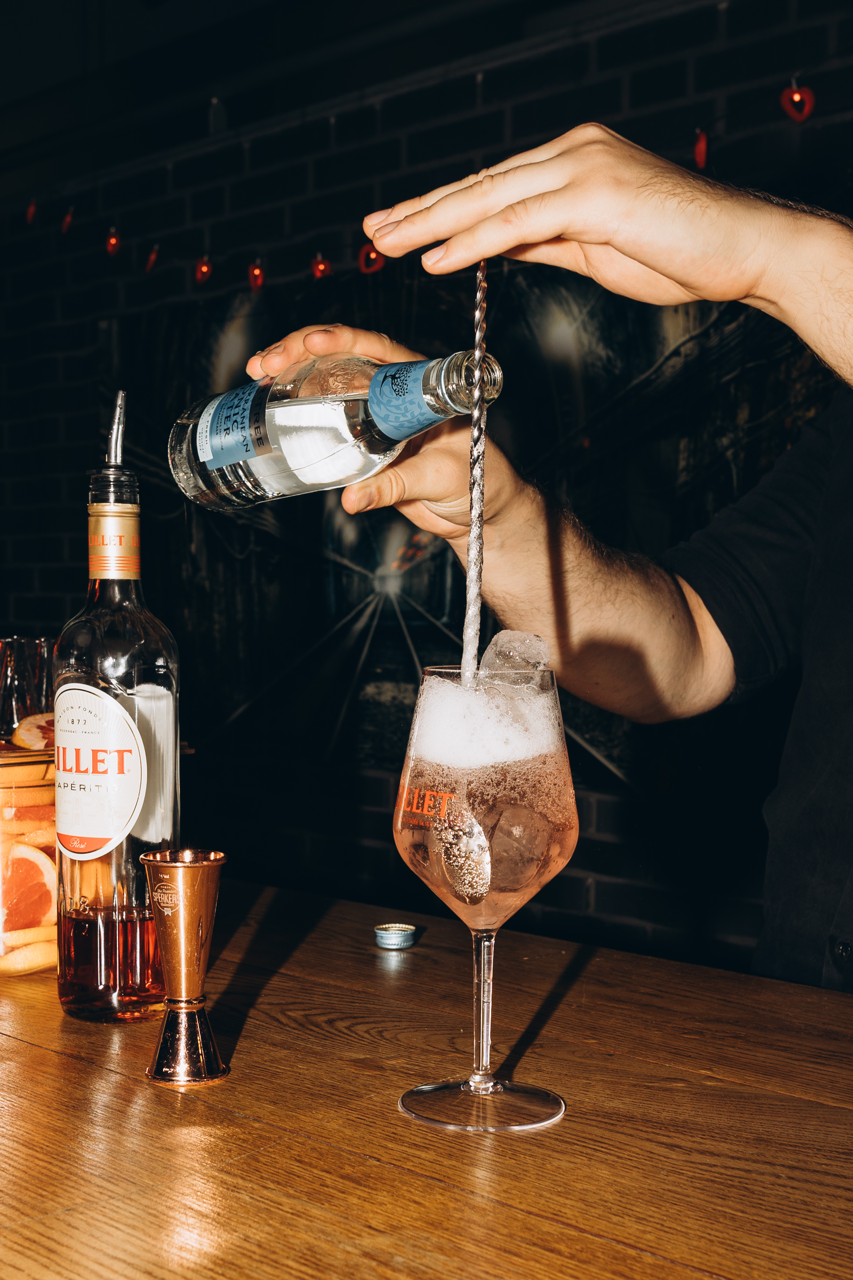
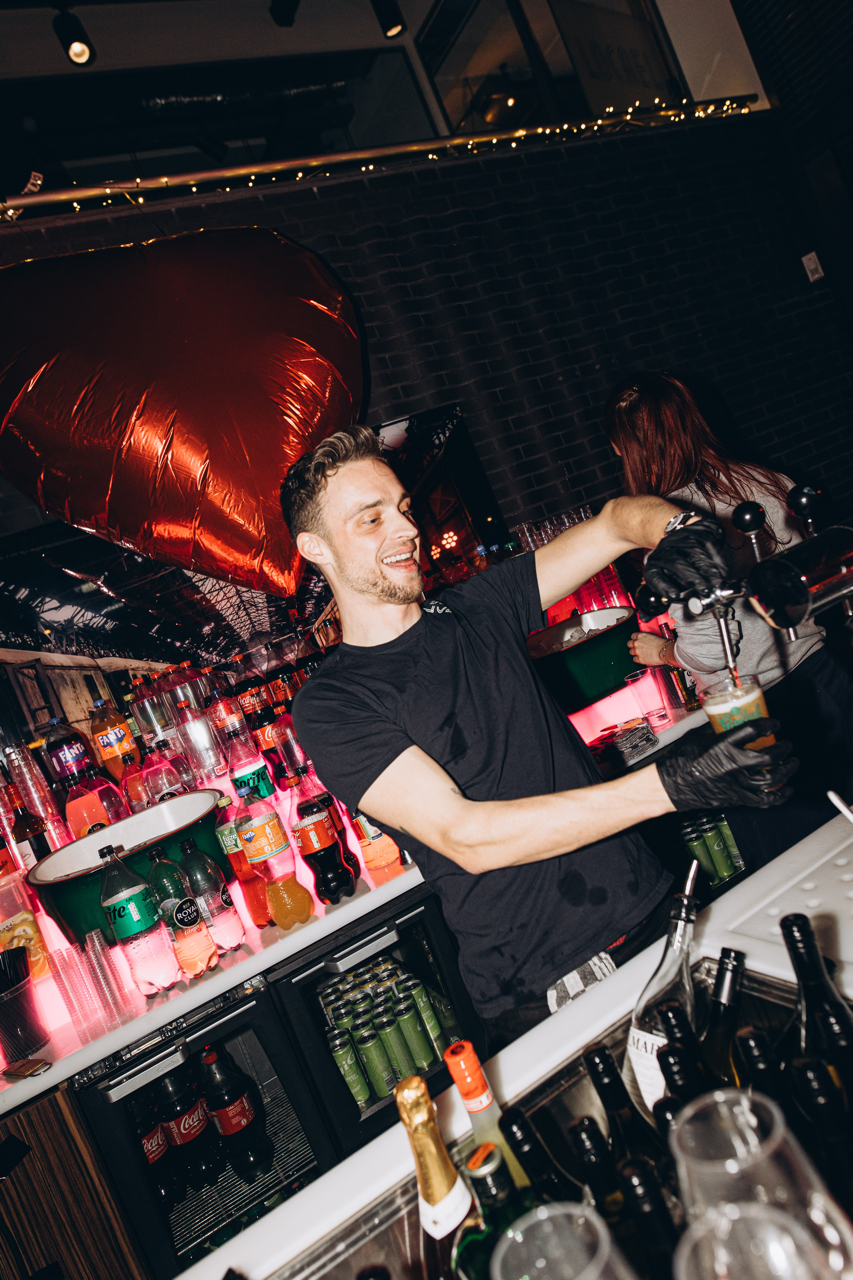
SINGLZ nights are suited to individuals who find speed dating or algorithm based matching formats uncomfortable or too transactional. The event functions as a standard night out, meaning interaction is self-directed and unpressured.
Individuals who are new to a Dutch city, or who have limited existing social networks in a location, benefit from a context that makes meeting new people structurally easier without requiring prior connections or introductions.
SINGLZ events provide an in-person alternative to digital dating platforms. They are particularly relevant for those who prefer to assess social compatibility in a real-world environment before exchanging contact details or committing to a separate meeting.
Individuals who require a quiet or low-stimulation environment, those who are not comfortable in nightlife settings, or those who prefer highly structured formats such as one-to-one introductions or facilitated matching may find the open format less aligned with their preferences.
| Consideration | What it means in practice |
|---|---|
| Travel distance | Attending an event in a city other than your own requires assessing transport options and return journey timing relative to the event's end time (typically around 1:00 AM). |
| Expected audience profile | Different Dutch cities draw different demographic profiles. Reviewing the city's general population characteristics helps set realistic expectations about age range and social background of attendees. |
| Ticket tier and availability | Events use tiered pricing (early bird, regular, late). Purchasing earlier reduces cost and confirms attendance before capacity is reached. Later tiers reflect reduced availability, not event quality. |
| Event format expectations | The event is a club night, not a structured dating format. Attendees expecting facilitated introductions or guaranteed interactions will find the format does not operate that way. |
| Venue environment | Venues vary by city. Checking the confirmed venue in advance allows attendees to assess accessibility, location within the city, and general suitability for their preferences. |
Events are structured around three age brackets 18–30, 30–45, and 45+ and ticket sales are actively monitored to maintain balance across all three. No single group is allowed to dominate. That said, city demographics naturally influence the mix, so a Rotterdam event may skew slightly younger than one held in The Hague. Checking which city is hosting can help set more accurate expectations.
The format is deliberately relaxed no dress code requirements are published, no performance is expected, and there's no obligation to interact with anyone. People attend across a wide age range, including many who aren't regular nightlife-goers. The shared context of everyone being single tends to lower social pressure rather than raise it.
It depends on what you're optimising for. Amsterdam offers the largest and most varied attendee pool. Utrecht is the most central and easiest to reach by train from most of the country. If you're travelling specifically for the event, Utrecht's transport links make it the most practical option for most regions.
Yes, functionally they're the same ticket. The tiered pricing (€15 / €20 / €25) reflects purchase timing and remaining capacity, not access level or seating. Earlier purchase reduces cost and guarantees a spot before the event sells out. There are no premium tiers or reserved areas.
There's no structured obligation to stay. The event runs from approximately 5:00 PM to 1:00 AM, and attendance is self-directed throughout. If the environment doesn't suit you, leaving early is entirely at your discretion. Ticket refunds after attendance are generally not available, so reviewing venue details beforehand is advisable.
There's no facilitated introduction system. Conversations happen organically, the same way they would at any social event. The distinguishing factor is that everyone present already knows why others are there, which removes the usual uncertainty about intent. Beyond that, the approach is left entirely to individual preference.
You can approach any member of the event team directly or speak to venue security. Both are present throughout the evening. Reports are handled on-site, and the situation will be reviewed and acted on appropriately. You don't need to leave the event to make a report staff remain accessible throughout.
Once contact details are exchanged between attendees, that interaction is between private individuals. SINGLZ Events doesn't facilitate, monitor, or intervene in connections made after the event. Any follow-up is at the discretion of the people involved.
City scheduling is evaluated on an ongoing basis using attendance data and operational feedback. A city may host recurring events if conditions support it, or be paused if they don't. Upcoming events are announced through the website, Instagram, and WhatsApp groups following those channels is the most reliable way to stay informed.
Each event draws a different attendee pool, even in the same city. Composition varies by ticket sales, timing, and which age groups purchase earliest. A second event in a different city or even the same one at a different tier window will typically produce a different crowd. There are no guarantees, but the variables do change between events.
